Items
-

Tidal Basin
The Tidal Basin serves several purposes on the National Mall. Primarily, it is a reservoir for the Potomac River and Washington Channel. In the past, it has also served as a recreational area for swimming, ice skating, or boating. Built by Alexander and Repass, the Tidal Basin is lined with Japanese Cherry Trees, making it the center of the Cherry Blossom Festival, and it borders several monuments, including the Jefferson, Martin Luther King Jr., FDR, and George Mason memorials. All of these factors make the Basin one of the central natural and recreational features of the National Mall. -

National Gallery of Art Sculpture Garden
Plans for a National Sculpture Garden on the Mall began in the 1960s, but it was not until 1991 that jurisdiction for the site was transferred from the National Park Service to the National Gallery. Olin Partnership, headed by Laurie D. Olin, designed the landscape, working with staff from the National Gallery of Art. The first sculptures for the garden, many of which can still be seen today, were curated by Mark Rosenthal and Marla Prather. The middle of the garden is a fountain in summer and an ice rink in winter. Sculptures include works by American and international artists. -

Million Man March
This march on the National Mall for African American civil rights was proposed by Louis Farrakhan and organized with the support of the National African American Leadership Summit, the Nation of Islam, and various civil rights organizations. The March organizers wanted to challenge what they perceived as growing racism in the United States, particularly in government policy, and to present a new definition of black manhood to the nation. The main focus of the event was sessions held on a stage near the west front of the Capitol. Estimates for attendance vary, ranging from 400,000 to 870,000 people. -

National Gallery of Art West Building
In the 1920s, art collector and financier Andrew Mellon decided that the city needed a proper museum of art to rival those in Europe. With construction funds, a sizable endowment, and art all donated from Mellon, construction on the National Gallery of Art was begun in 1937. The building, designed in a classical style by John Russell Pope, was dedicated on March 17, 1941. The museum quickly attracted donations from other prominent art dealers, and today features art from around the world. -

National Gallery of Art East Building
When Andrew Mellon donated his collection to form the National Gallery of Art in the 1930s, he asked Congress to reserve land near to the Gallery for future expansion. By the 1960s, the Gallery needed that expansion. With funding from the Andrew Mellon Foundation and Mellon family members, the Gallery commissioned architect I. M. Pei to design a modernist wing to the east of the original building. Construction began for the new East Wing in 1971 and was completed in 1978. -

Potomac and Anacostia Rivers
The southern boundary of Washington, DC, is bordered by two rivers: the Potomac and the Anacostia. The rivers have long had problems with pollution from human and industrial waste. In the 1860s, President Lincoln used to complain of the smell of the rivers, retreating to Soldier's Home to escape. In the 1970s, President Lyndon B. Johnson attempted to reverse decades of pollution, making the rivers a focus of the 1972 Clean Water Act. Today the rivers are improving, but still suffer from pollution. -

Executive Stables
The Executive Stables, which held the horses, carriages, and later automobiles of the President, were built, rebuilt, and relocated several times. The first stables were built in 1800 by the Jefferson administration and sat just off the White House grounds, near the current site of the Treasury Building. The stables were relocated and redesigned three more times before those shown in this photo were constructed. Built during the Pierce administration in 1857 and destroyed by fire during Lincoln's presidency in 1864, these stables were located in the backyard of the White House. Three redesigns later, the final Executive Stables stood where the Eisenhower Executive Office Building is located today. -
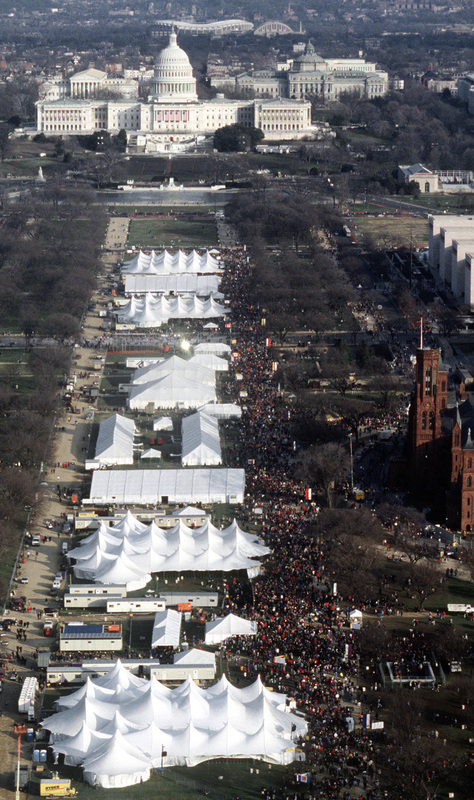
America's Reunion on the Mall
This festival celebrating American cultural diversity was held on the days leading up to the first inauguration of President Bill Clinton. It was organized by the Inaugural Committee, with support from the Smithsonian Institution, the Library of Congress, and the National Park Service. Three food tents offered cuisine from all over the United States. There were multiple stages where musical performances were held throughout the day for all three days of the festival, as well as a kickoff concert at the Lincoln Memorial headlined by major artists including Michael Jackson, Aretha Franklin, Ray Charles, and Michael Bolton. -

Organization of American States Building
The Organization of American States (OAS) Building was completed in 1910. Its style is meant to be a fusion of some of the major architectural elements from its participating members, with Spanish, Native American, French, Portuguese, and English influences. The OAS was founded in 1889. Proposed by the US and first meeting in Washington, DC, the Organization was established as “an order of peace and justice, to promote their solidarity, to strengthen their collaboration, and to defend their sovereignty, their territorial integrity, and their independence." (Article I, Charter of OAS). Today, the OAS has 35 member nations from across North and South America. -

Jose Artigas Statue
General Jose Gervasio Artigas was a military and political leader in Uruguay in the 1800s. Influenced by the Enlightenment ideas which also sparked the American Revolution, Artigas' revolutionary movement was part of the Spanish American wars for independence. This statue is a cast of one which stands in Uruguay. It was commissioned as a goodwill gesture between that nation and the United States in the early 1940s, but was not delivered until 1947. Two years later, Congress authorized funds for the creation of a base for the statue and the work of installing it at its present site. -

Second Division Memorial
Located within President's Park on the National Mall, the Second Division Memorial is dedicated to those members of the Second Infantry Division of the US army who have died while in service. Originally dedicated in 1936 by President Franklin Roosevelt, the memorial honored service in World War I. The flaming sword at the memorial's center represents the defense of Paris from German forces during that conflict. In 1962, two wings were added to the memorial to represent service in World War II and the Korean War. -

Simon Bolivar Statue
This statue of Simon Bolivar was donated to the United States by the Venezuelan government and installed in 1955. Bolivar was a revolutionary Latin American military and political leader from the 1810s to the 1830s. He led the nations of Venezuela, Columbia, Ecuador, Peru, and Bolivia to independence, earning the reputation of having founded democracy in Latin America. -

National Museum of African American History and Culture (NMAACH)
The National Museum of African American History and Culture was established by an Act of Congress in 2003 and is the only national museum devoted to African American life. The goals of the museum are: to educate about African American history and culture; to show the importance of African American history to American history; to show the global context of American history more broadly; and to be a place of collaboration, both with other museums and with new audiences. -

Monument to the Founding of the Grange
This small plaque along the walking path on the Mall at Fourth Street and Madison is the only private monument on the Mall, dedicated on September 9, 1951. It commemorates the founding of the National Grange of the Order of Patrons of Husbandry, a national agriculture association. The Grange, whose purpose is to help give farm families a political voice, was founded December 4, 1867. The plaque names the seven original founders of the association: Oliver Hudson Kelley, William Saunders, Aaron B. Grosh, John R. Thompson, Francis M. McDowell, William M. Ireland, and John Trimble. -

United States Holocaust Memorial Museum
The United States Holocaust Memorial Museum serves as a memorial to the thousands of people murdered during the Holocaust, and to teach about the need to prevent genocide worldwide. Suggested by the President’s Commission on the Holocaust in 1979, the act to create the museum was unanimously approved by Congress in 1980. Some citizens objected by questioning why a museum remembering the European Holocaust had a place on the National Mall. During construction, workers buried two cans containing pledges of remembrance by Holocaust survivors in the ground under the Hall of Remembrance. In addition to the permanent exhibition tracing the history of the Holocaust, the museum has special exhibits focusing on specific experiences and modern genocides. -

Andrew Jackson Memorial
At the center of Lafayette Park, along the White House’s north side, stands this equestrian statue of President Andrew Jackson. Cast to commemorate Jackson’s victory at the Battle of New Orleans, the bronze statue was sculpted by artist Clark Mills in 1853. It is part of a set of four - the other statues stand in New Orleans, LA; Nashville, TN; and Jacksonville, FL. The base of the statue is inscribed, “Our Federal Union. It must be Preserved.” -

National Gallery of Art Sculpture Garden Ice Rink
The ice skating rink at the National Gallery of Art’s Sculpture Garden is one of the Mall’s most popular winter activity spots. Open from November through March, the ice skating rink in its current form first opened in 1999. The rink was included in the plans for the Sculpture Garden when it was conceived in 1996 because an ice rink had been operating at that site since 1974. Even before the 1970s, ice skating was a popular activity on the Mall, with unofficial skating sites at the Tidal Basin and the Reflecting Pool in the nineteenth and early twentieth centuries. -
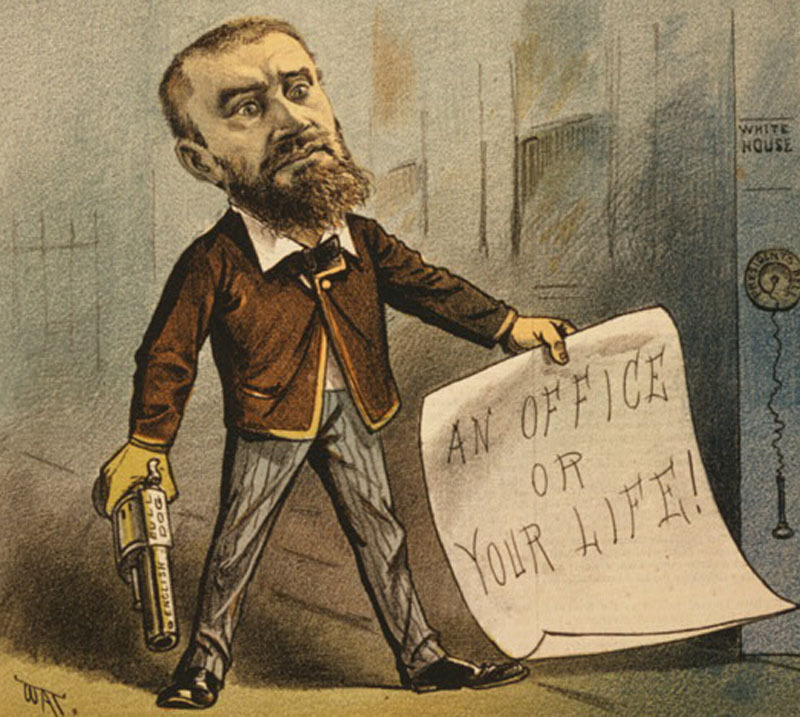
Charles Guiteau
Charles Guiteau shot President Garfield on July 2, 1881 at the Baltimore and Potomac Railroad Station on the National Mall. Guiteau shot Garfield because he had been denied a political appointment that he believed he deserved. Garfield eventually died from complications from the gunshot wound. Guiteau was tried, found guilty, and sentenced to death by hanging on June 30, 1882 at the District of Columbia jail. -
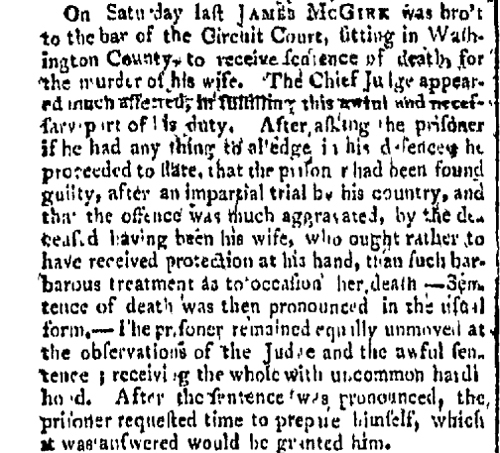
James McGirk
James McGirk was the first person to be executed in the District of Columbia on October 28, 1802. He was found guilty of murdering his wife. At this time, the gallows were located on the Capitol Grounds, between where the Grant and Garfield statues stand today. -
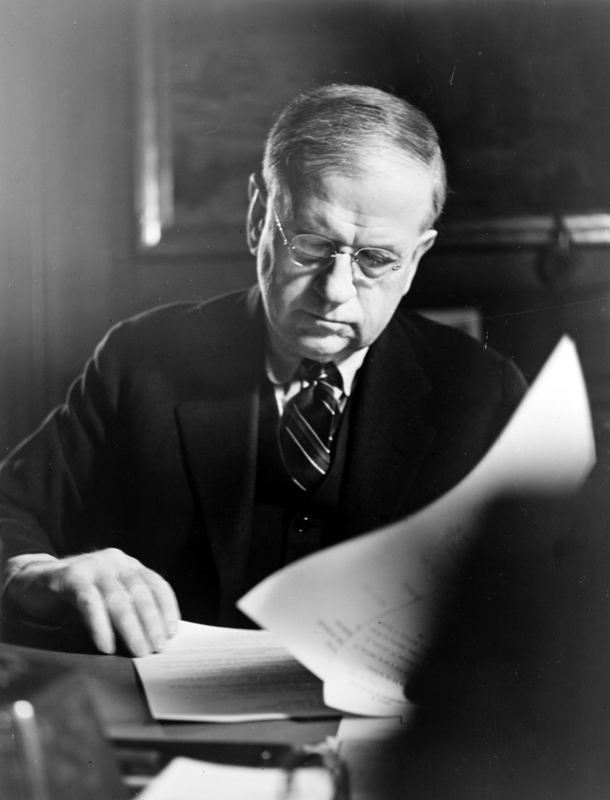
Harold L. Ickes
Harold L. Ickes was the longest serving Secretary of the Interior to date, holding the post for 13 years from 1933 until 1946. He supported civil rights for African Americans, desegregating the Department of the Interior, including the National Parks, during his time in office. He helped facilitate Marian Anderson’s 1939 concert at the Lincoln Memorial on Easter Sunday, arranged after the Daughters of the American Revolution refused to allow the African American opera singer to perform in their segregated concert hall. -

William Hushka
William Hushka, an immigrant from Lithuania, was a World War I US Army veteran who joined the 1932 Bonus Marchers in their campaign to secure early payment of veterans' pensions from the government. Along with fellow veteran and marcher Eric Carlson, Hushka was shot and killed by police as they were trying to evict the Bonus Marchers from their encampment in Washington. He was buried with military honors at Arlington National Cemetery less than a week after being shot. -
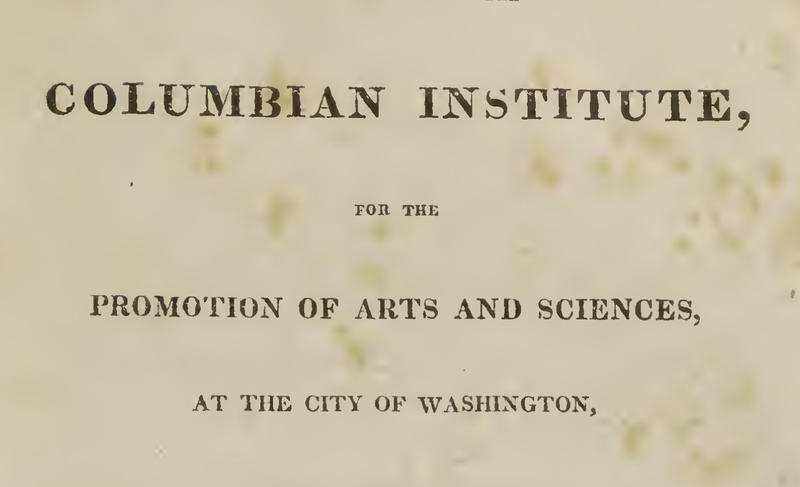
Columbian Institute
The Columbian Institute was a Washington organization dedicated to the promotion of the arts and sciences for the benefit of the nation. In 1820, two years after their official charter was approved by Congress, the Institute was granted five acres of land on the Mall to create a botanic garden, just west of the Capitol grounds. The plans to follow the garden with a museum and library, described in this article, were never realized. The botanic garden was abandoned by the late 1830s as the organization slowly dissolved. -

Survey Lodge
Located on the grounds of the Washington Monument, the Survey Lodge was originally a boiler and steam house for the machinery necessary to power the Washington Monument's elevator. It was constructed of leftover marble and granite from the construction of the Washington Monument. Today, the site is a National Park Service Ranger Station. -

Memorial Lodge
Memorial Lodge is a small, flat-roofed, one-story building less than 500 feet east of the Washington Monument. It serves as an information station where tickets can be retrieved to visit the top of the Washington Monument. Originally constructed in 1888, the building has seen three redesigns and expansions in 1931, 1942, and 1963. -
Navy Department, World War I
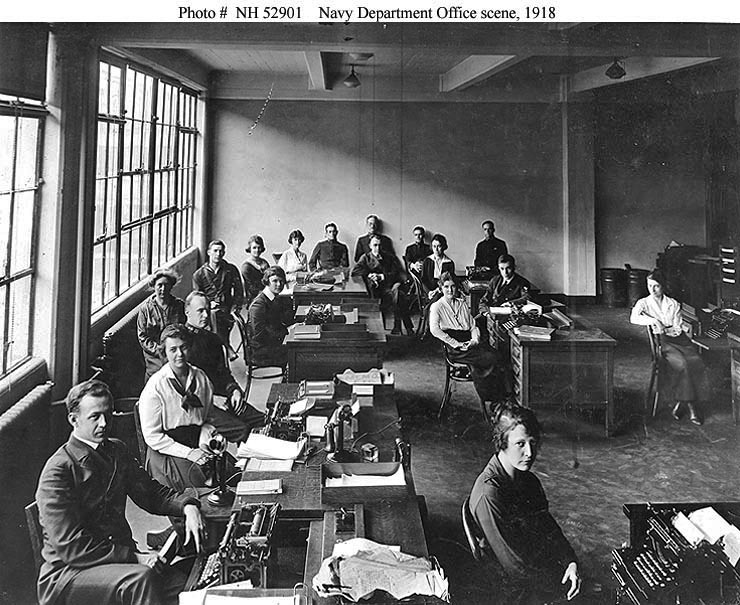
For more than five decades, the Main Navy and Munitions Buildings dominated the scenery along Constitution Avenue for a third of a mile west of the Washington Monument. Erected in 1918 as "temporary" office buildings to support the vastly expanded World War I military, more than 14,000 military and civilian personnel worked there. Clacking typewriters, ringing as workers returned the carriage to start new lines of text, and jangling telephones echoed in the community work space. -
The Seat of Government of the United States
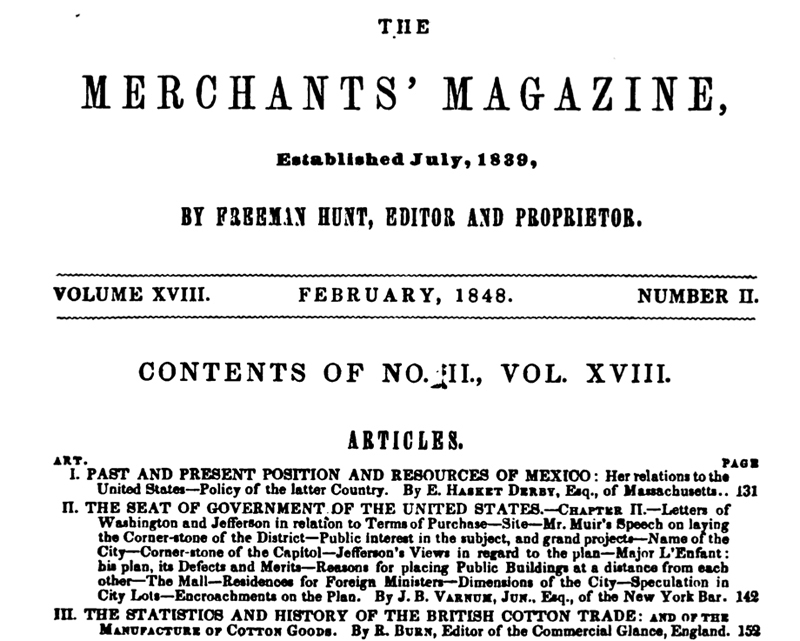
Freeman Hunt wrote a series of articles for his Merchants' Magazine in the spring of 1848 describing the history and current state of the capital city, which was mostly undeveloped at the time. In the second installment of the series he wrote about the Mall. Although it looked like a cow pasture, Freeman felt that it would be relatively easy and inexpensive to make a space which would rival the avenues and parks of Europe. -
Women Workers Leaving the Treasury Department
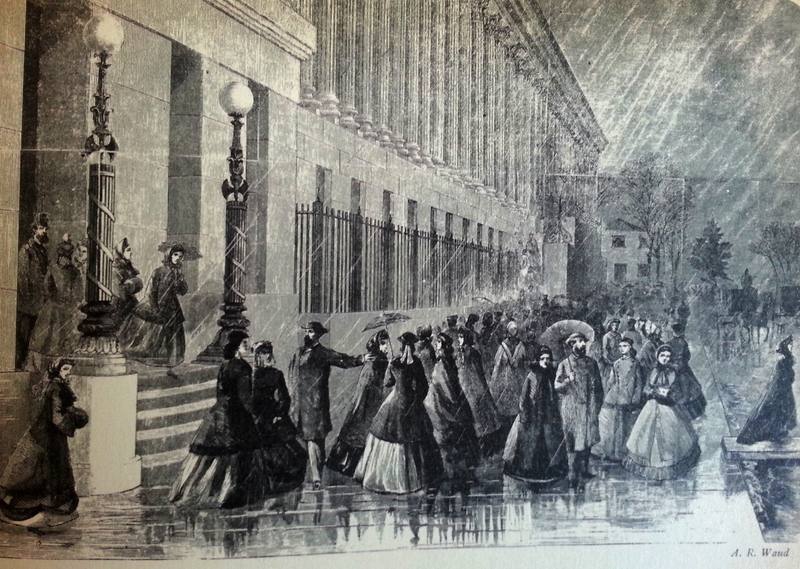
During the Civil War, the Department of the Treasury hired women workers to fill clerical positions vacated by men who had left to fight with the Union Army. Until that time, clerking was strictly a male occupation. Believing women were particularly well-suited for repetitive, routine tasks, the Secretary of the Treasury assigned them to hand-cut paper money, usually printed in amounts of four bills per sheet. A Union officer observed that it was difficult to live on their salary of $600 a year because room and board cost about $50 per month. -
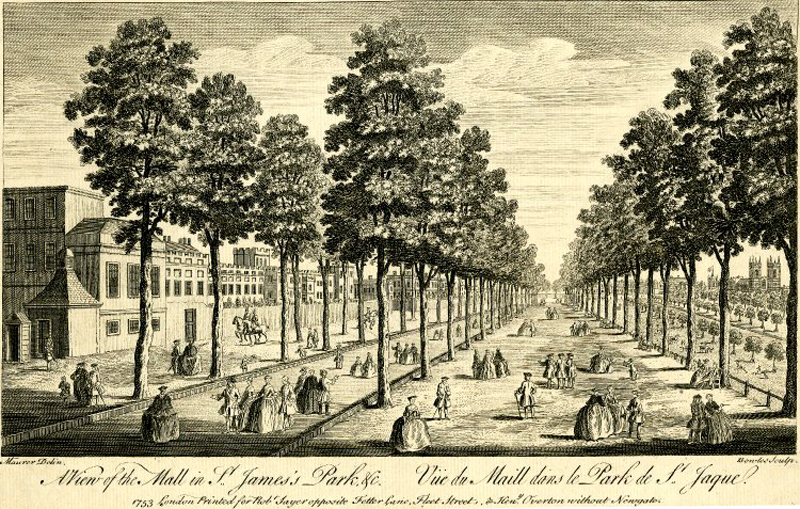
A View of the Mall in St James's Park
The Mall in London, which runs along the side of Saint James Park, was originally a playing field for King Charles II of England and his courtiers. They played pall-mall, a game similar to croquet. By the mid-1700s, it had become a tree-lined avenue where fashionable Londoners went to walk and socialize. This Mall, and others like it, helped inspire the design and name of the National Mall. -
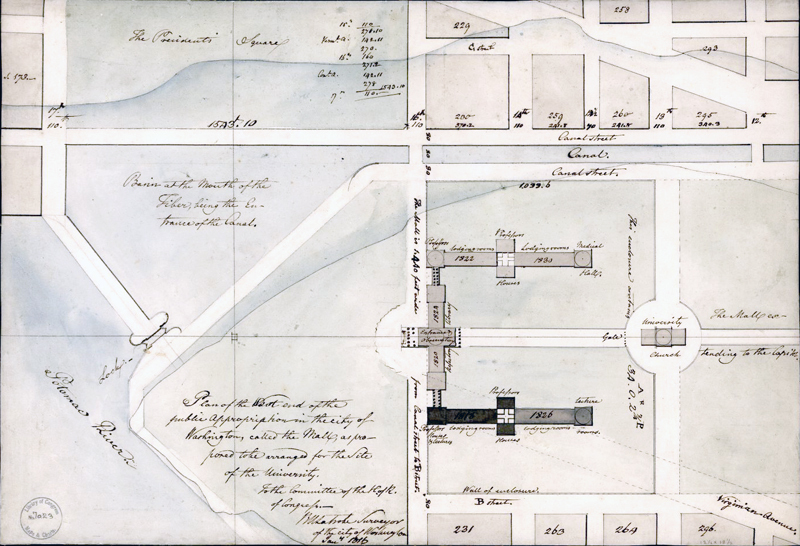
Plan of the west end
Benjamin Latrobe drew a plan for the layout of a national university on the Mall while he was Surveyor to the Capitol building. He may have been inspired to do so by President James Madison's mention of the idea of creating a national university in his December 1815 address to Congress, but the idea was first put forth by George Washington in the 1790s. Latrobe had even spoken with Washington on the subject in 1796. The plan puts the university grounds just east of 15th street, partly standing on what today is the Washington Monument Grounds. -

Solomon Brown
Solomon Brown was likely the first African American employee at the Smithsonian Institution. He began work there in 1852 as a maintenance worker, building exhibit cabinets, cleaning, and moving specimens. He advanced to serve as clerk to Secretary Spencer Baird, who relied on him to serve as his eyes and ears in the Smithsonian. During the Civil War, Brown kept Baird informed about possible Confederate attacks and the status of work in the Museum. He worked closely with Baird as a naturalist and became an illustrator, lecturer, and philosopher. -
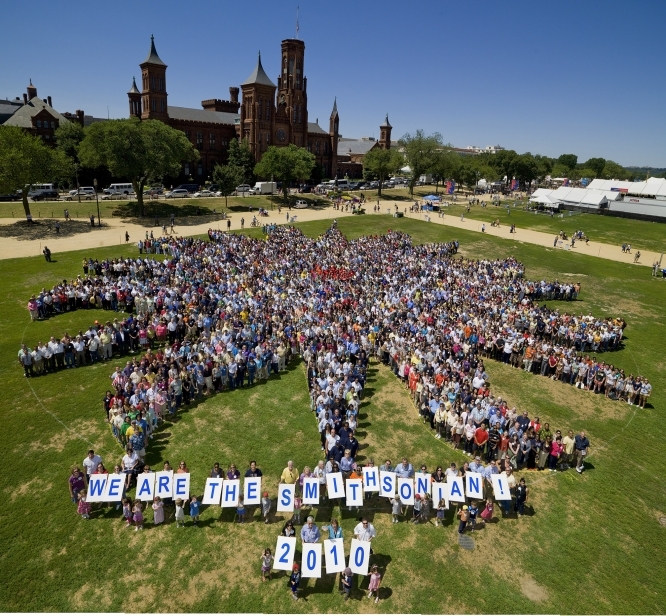
Human Smithsonian Sunburst
Standing in the shape of the Smithsonian Institution sunburst, close to 4,000 Smithsonian staff, interns, fellows, and volunteers gathered on the National Mall in front of the Smithsonian Castle on Thursday, July 1, for this group portrait. This was the first-ever attempt to gather all employees and affiliated staff for a group shot in the Smithsonian’s 164-year history. This was the largest gathering of Smithsonian employees, fellows, interns, volunteers, and retirees to date. The photo was organized by the Smithsonian Community Committee and was taken during the Smithsonian Staff Picnic, held annually on the National Mall. -
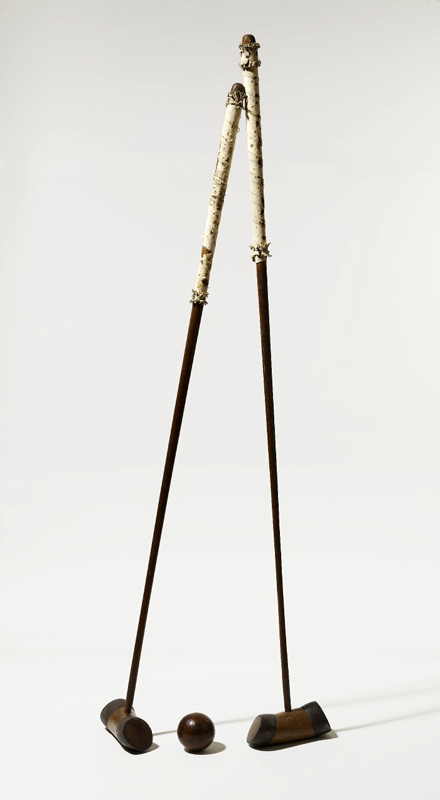
Pall mall ball and mallets
These mallets and ball were used to play a game called pall mall, which involved hitting the ball down a green playing field and through an iron hoop. The game was popular in England in the late 1600s and continued to be played into the early 1800s. This set is probably from the mid to late 1700s. The playing fields for the game were called Malls; the term came to be used for all long, open grassy areas where people walked or played. -
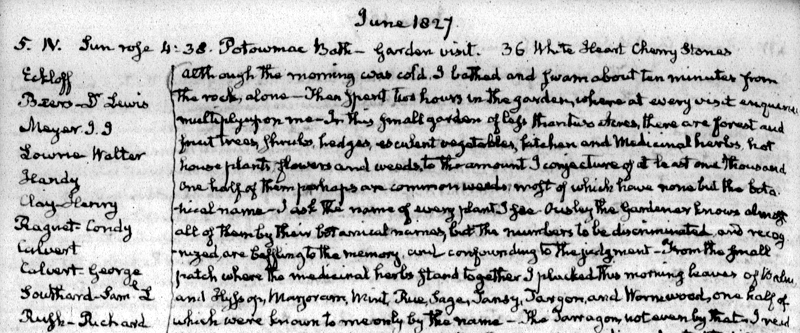
Diary, John Quincy Adams, 1827
President Adams' diary entries from June 1827 detail his regular visits to the White House garden. In this entry he describes the variety of plants in the garden, from fruit trees to common weeds. The President relied on his gardener, John Ousley, to identify many of the plants. Apparently, Adams encountered the living form of tarragon, an herb, for the first time on June 5. -
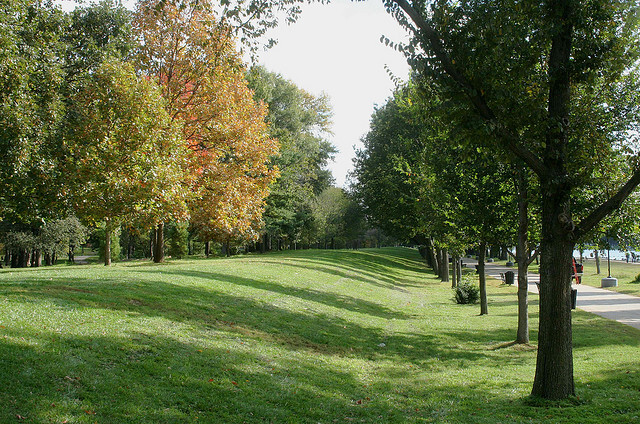
Levees on the National Mall
Levees for flood control were first constructed on the National Mall after the Great Potomac Flood of 1936. They were north of the Reflecting Pool, extending from the Lincoln Memorial to the Washington Monument. This early levee system did not eliminate flood damage. In 1942, flood waters again breached the sea wall of the Tidal Basin and covered the land beyond the Jefferson Memorial. However, repairs to the Mall's levee system did not happen until 2006, when the basement of the National Archives flooded, threatening the survival of important national documents. New levees include a the construction of a removable barrier on 17th Street crossing the National Mall. -
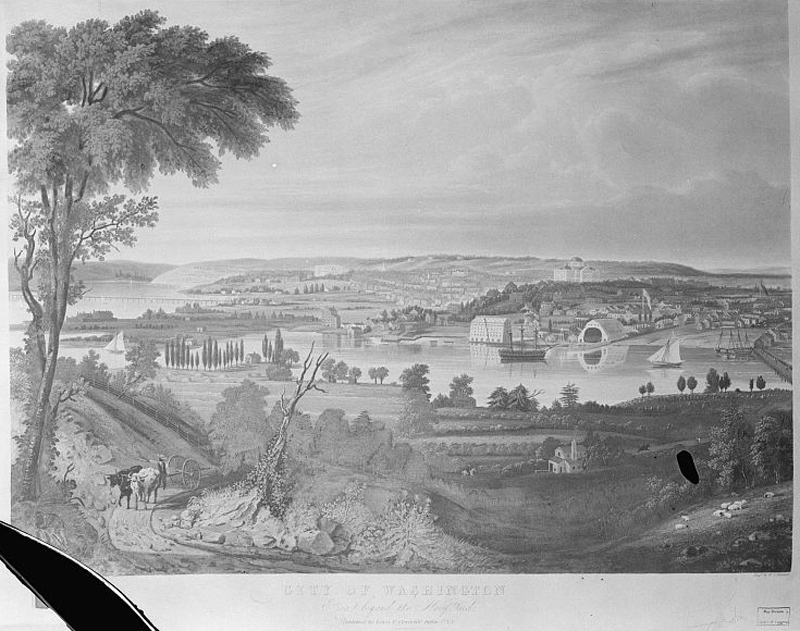
City of Washington
President George Washington and city planner Pierre L'Enfant chose the land for the new capital of the United States, in part, because of the beauty of its landscape. Rolling hills, the meeting point of two rivers, flat lands along the river banks, and fields good for growing crops were positive signs. This image shows a romantic view of the city looking across the Potomac River from Virginia into the District. The Capitol building stands on a hill. Sailing ships and tranquil farmlands speak of a prosperous and beautiful city. -
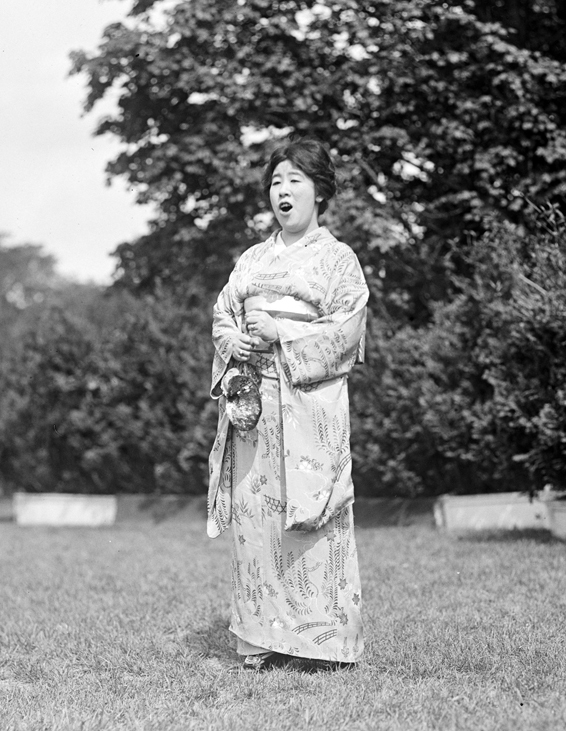
Tamaki Miura performing at the Sylvan Theatre
Tamaki Miura performed an aria from Madame Butterfly as part of the opening performance for the Sylvan Theatre on the Washington Monument grounds in June 1917. Miura was a Japanese opera singer who toured Europe and the United States in the 1910s and 1920s. -
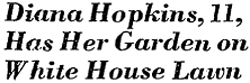
Diana Hopkins, 11, Has Her Garden on White House Lawn
Diana Hopkins lived in the White House in the early 1940s with her father Harry, who was a special assistant to President Franklin D. Roosevelt. This article reports on the victory garden she was allowed to have on the White House grounds during World War II. Victory Gardens were small personal gardens planted during the war to help reduce civilian demand for food. -
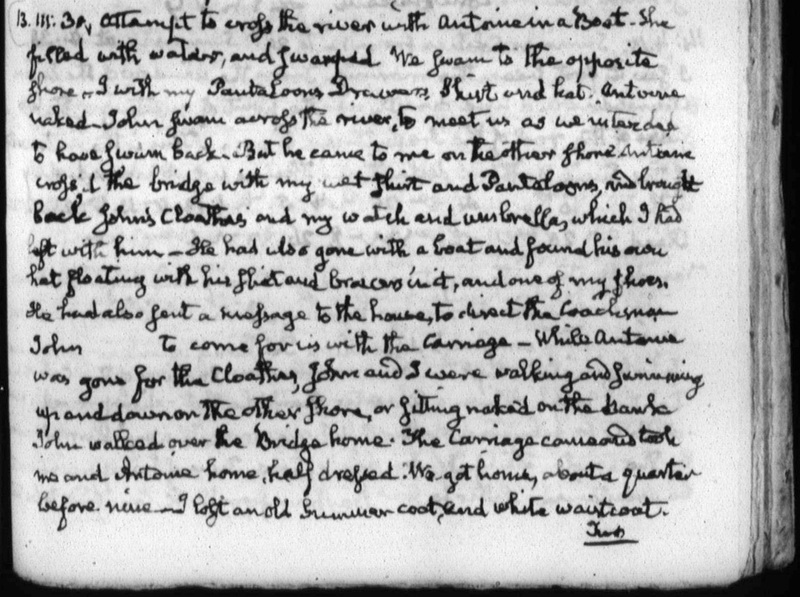
Diary, John Quincy Adams, 1825
Sixth president, John Quincy Adams, often swam in Tiber Creek near the White House. In 1825, he commandeered an abandoned boat and rowed it down the creek, planning to swim back. A sudden storm arose, sweeping the leaking boat into the Potomac where it began to sink. Adams scrambled overboard, but the weight of his clothes dragged him underwater. A White House steward, Antoine Guista, who was with Adams, jumped overboard and rescued the president. Washington buzzed for days about the President's close call. -
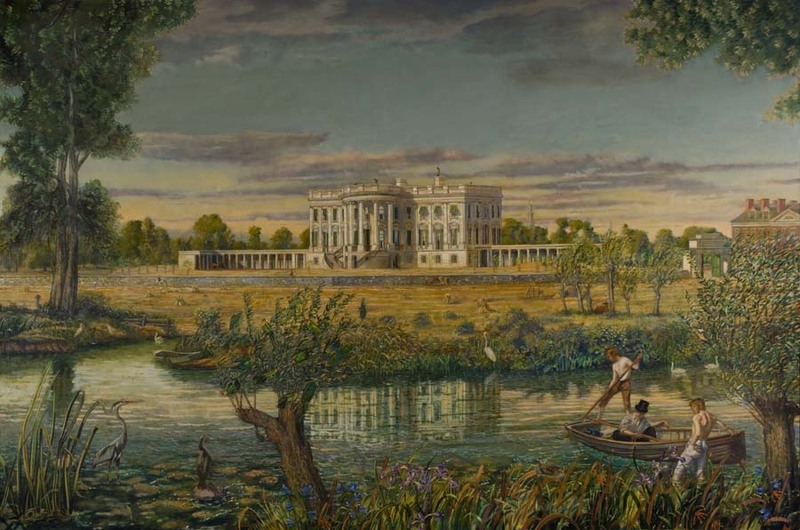
Tiber Creek: The Bathers
Tiber Creek raced through the city from the base of Capitol Hill to the Potomac River. In the early 1800s, it was about 800 feet wide, flowing just below the hill where White House was built. Swimmers, boaters, and fishermen navigated its waters. Kingfishers, herons, muskrats, and turtles lived on its marshy banks. Before construction began on the new city of Washington, the Tiber Creek and its tree-lined banks created a natural drainage area from other bodies of water in the area. Artist Peter Waddell painted this reconstruction of the Tiber in 2004, using descriptions from early visitors and residents of Washington to envision how the environment looked in the early 1800s. -
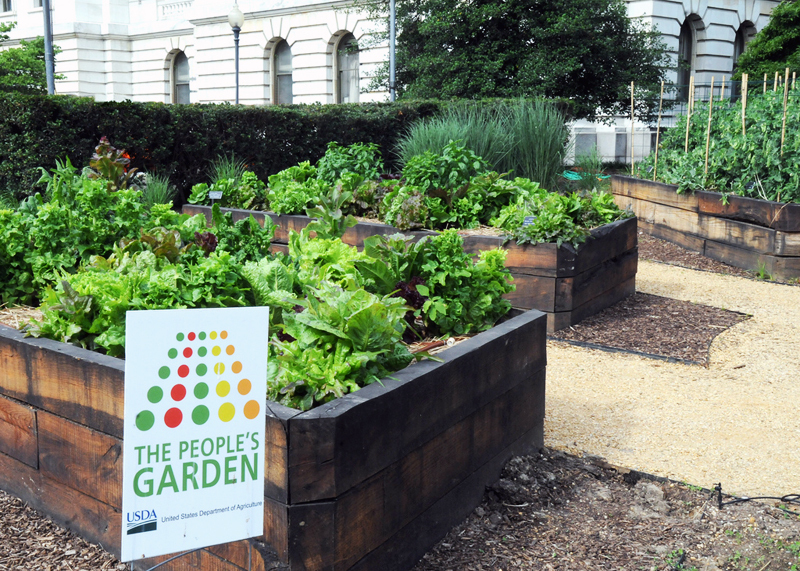
People's Garden
Secretary of Agriculture, Tom Vilsack, established the People's Garden on the site of a former parking lot outside the Department of Agriculture in 2009. The garden is maintained by volunteers from the Department. All of the produce grown in the garden is donated to local food pantries and soup kitchens. This garden served as the start of a People's Garden program; there are now People's Gardens in all 50 states. -
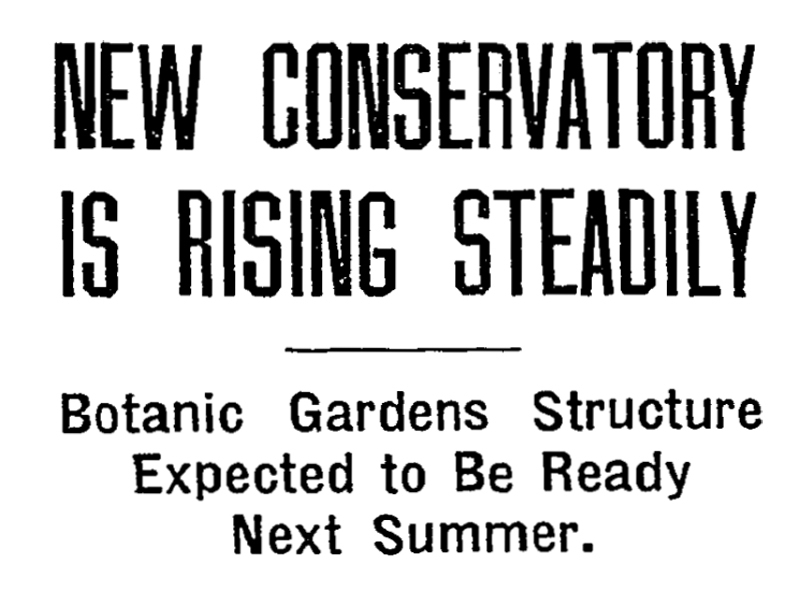
New Conservatory is Rising Steadily
The original botanic gardens in Washington were built in line with the Capitol building, where the Capitol Reflecting Pool is today. The new design proposed for the Mall in the early 1900s called for an open green space from the Capitol to the Washington Monument, sparking a debate over the relocation of the Botanic Gardens. The final decision was to shift the institution to Independence Ave, then Canal Street. The new buildings described in this article were state-of-the art for the time, fit for the National Botanic Gardens. -
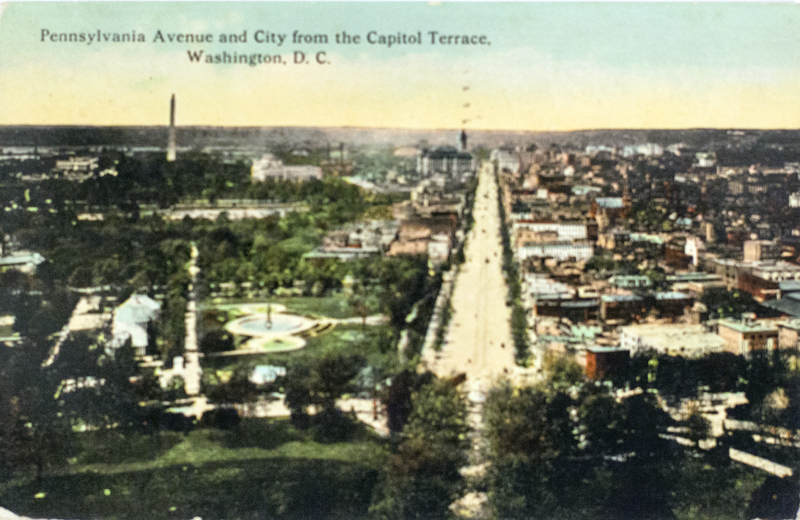
Pennsylvania Avenue and City from the Capitol Terrace
This postcard from 1913 shows the Mall and Pennsylvania Avenue. The building in the left foreground is the old Botanic Garden conservatory, with the Bartholdi Fountain between it and Pennsylvania Avenue. Business and residential buildings are still standing between 3rd and 4th Streets where the National Gallery of Art is today. Beyond them is the dome of the National Museum of Natural History and the Washington Monument. -
Columbian Institute
The Columbian Institute was a Washington organization dedicated to the promotion of the arts and sciences for the benefit of the nation. In 1820, two years after their official charter was approved by Congress, the Institute was granted five acres of land on the Mall to create a botanic garden, just west of the Capitol grounds. The plans to follow the garden with a museum and library, described in this article, were never realized. The botanic garden was abandoned by the late 1830s as the organization slowly dissolved. -
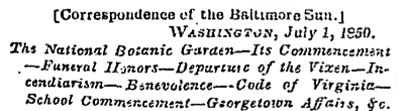
The National Botanic Garden - Its Commencement
This article from the Baltimore Sun discusses the establishment of the National Botanic Garden in Washington. The main source of the collection for the garden were botanic specimens gathered during the United States Exploring Expedition, which explored the coasts of North and South America from 1838 to 1842. These plants had been stored near the Patent Office but needed a new home. Congress chose to build the new botanic garden on the Mall where a private group had maintained a garden thirty years before: the Columbian Institution's botanic garden stood on the same site from 1820 to 1830. -
Proposed National Botanic Garden
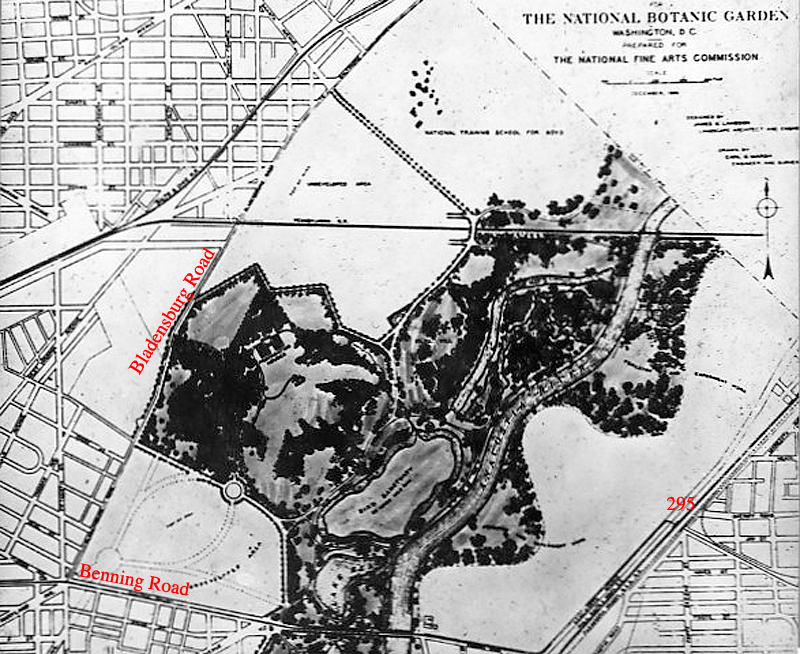
In the late 1920s, Congress and Washington city planners debated moving the Botanic Garden from the Mall to a larger location elsewhere in the District. This map shows a proposed plan for the Botanic Garden on a much larger site than is possible on the National Mall. While the Garden ultimately remained on the Mall, the area on this map is now the home of the National Arboretum. -

Transit of Venus March
John Philip Sousa wrote this march in 1883 for the unveiling of the statue of Joseph Henry, first Secretary of the Smithsonian Institution, on April 19, 1883. At that event, the piece was played by the Marine Band, directed by Sousa. The sheet music was lost for over 100 years, until a copy was found in the Library of Congress. This recording features the Virginia Grand Military Band. -
Capitol Fourth Concert
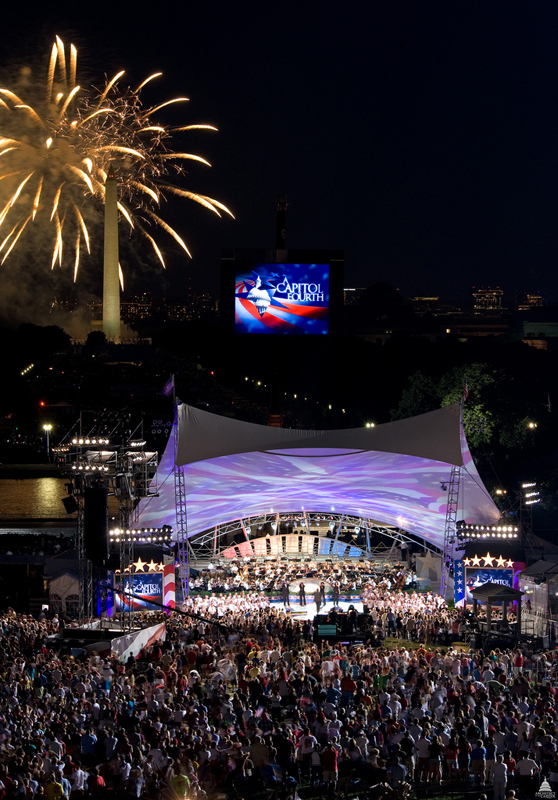
Since 1979, the National Symphony Orchestra (NSO) has performed on the west front of the Capitol on the fourth of July. The concert is aired by PBS stations as "A Capitol Fourth" and features musicians and vocalists as well as the NSO and the Marine Band. This photograph shows the highlight of the concert, when fireworks are set off from near the Washington Monument while the bands play on. -
West Lawn Story on the Fourth
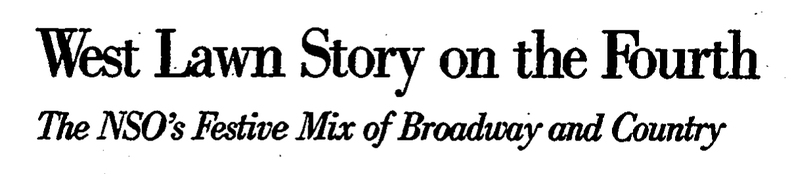
Since 1979, the National Symphony Orchestra has played a concert, called "A Capitol Fourth," on the west front of the Capitol, facing the National Mall. Fireworks are also launched from near the Washington Monument. This article describes the 1993 concert which included musicians such as Mary Chapin Carpenter, Rita Moreno, and Johnny Cash. The concert concluded, per tradition, with the Symphony playing marches with the Marine Corps Band. -
National Symphony Gives First Dusk Concert Today
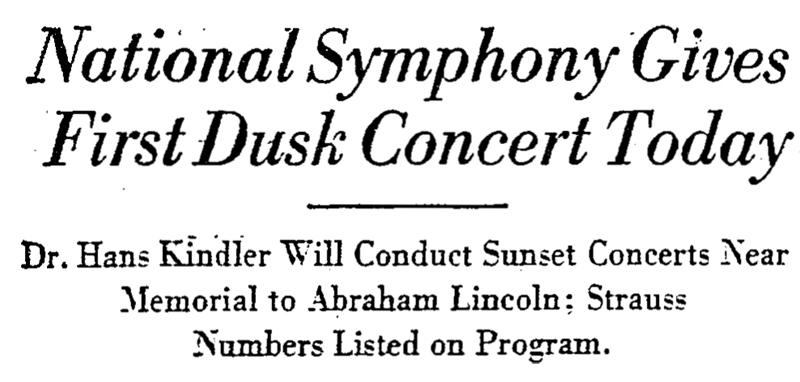
This article from the Washington Post describes the first season of concerts at the Watergate steps near the Lincoln Memorial. Performances were generally classical music, both orchestral and featuring singers. Performers were on a specially constructed barge in the Potomac and the audience sat on the river bank. As the article points out, special busses ran to and from the Mall for the concerts. -
The national capital, Washington, DC
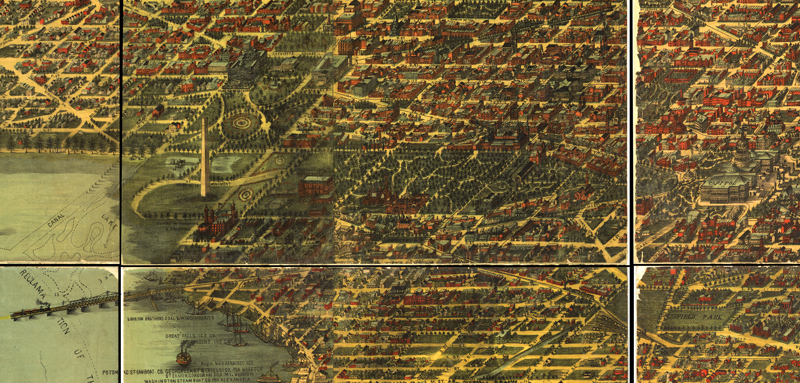
This detail of the bird's eye view of the city, "The national capital, Washington, D.C. Sketched from nature by Adolph Sachse, 1883-1884" shows the National Mall before the Army Corps of Engineers began to dredge the Potomac River to fill in the tidal wetlands. The project was intended to enlarge the shipping channel and to help prevent flooding and sewage accumulation. The Reclamation of Potomac Flats began in 1882 and continued to 1890. Landfill extended the length and width of the Mall, forming East Potomac Park and extending the Mall beyond the site of the Washington Monument. When the project ended, Washington, DC, had 638 acres of new land. -
Inauguration of President Barack Obama
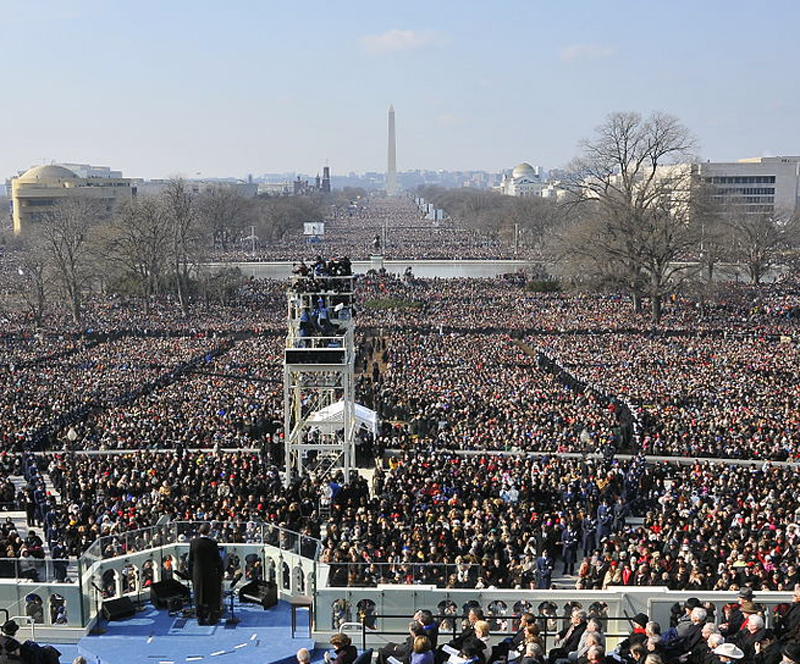
The 2009 Presidential Inauguration was the first in which the entire length of the Mall was open to spectators. In previous years, parts of the Mall were used as staging areas for the inaugural parade. In this photo you can see that the crowds stretched all the way back to the Lincoln Memorial. -

Inaugural Ceremonies for President Truman
The 1949 Inauguration of President Harry S. Truman was the first to be broadcast live on television. This footage from the US Air Force was shot from behind where Truman stood to take the oath of office. As the camera pans, one of the press platforms is visible above the crowd. Roughly 600,000 people attended the inauguration at the east front of the Capitol Building. Approximately ten million people tuned in to watch the ceremony on television, some gathering in movie theaters or public libraries. -
Presidential Inauguration
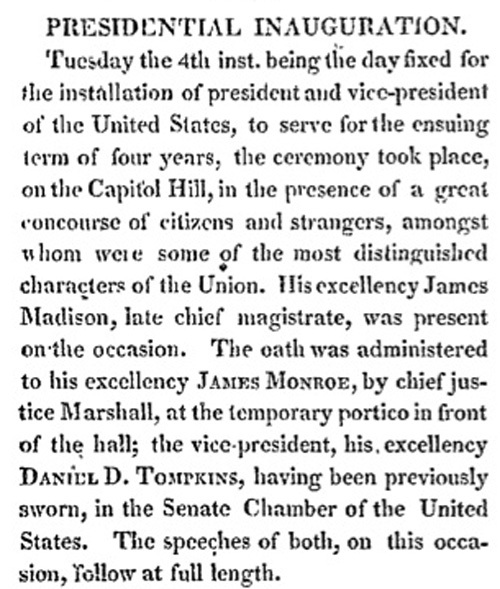
James Monroe was the first president to take the oath of office outdoors after the government moved to Washington. Previous inaugurations were held indoors, which limited the number of people who could attend. The inauguration was originally going to be held indoors, but members of the Senate and the House of Representatives could not agree on details such as what chairs to use. As this newspaper article mentions, a temporary portico was erected for the ceremony. Because the ceremony was outdoors, many more people were able to attend the inauguration than in previous years. -
Audience for Smithsonian's 150th Birthday Concert
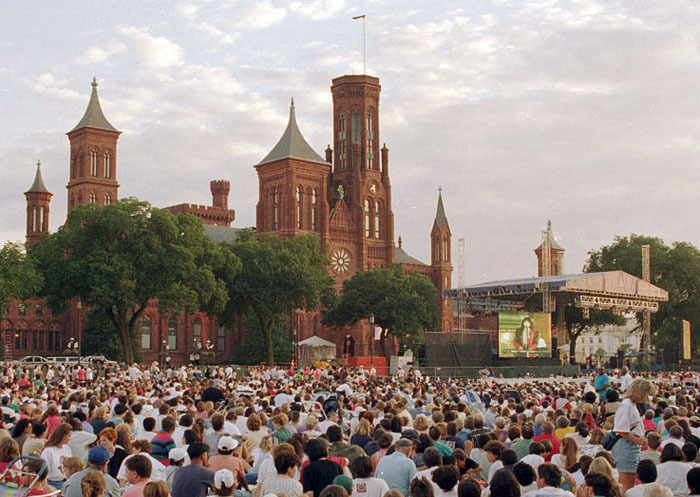
The Smithsonian Institution celebrated its 150th birthday in 1996 with special exhibits and multi-day celebration on the Mall. There were multiple stages set up, with daytime performances from a wide variety of performers. On August 10 there was a special evening concert emceed by Mickey Hart of the Grateful Dead and featuring Aretha Franklin, Trisha Yearwood, and Buffy Sainte-Marie with the Smithsonian Jazz Masterworks Orchestra. After the concert there was a fireworks display. -
Marian Anderson's Performance
On Easter Sunday, 1939, celebrated African American opera singer Marian Anderson gave a free concert on the steps of the Lincoln Memorial. She had been denied the opportunity to sing at the Daughters of the American Revolution concert hall because of her race. The first song she performed at the concert was "America (My Country 'Tis of Thee)," but she changed the words from "of thee I sing" to "to thee we sing," making it an inclusive expression of patriotism. -
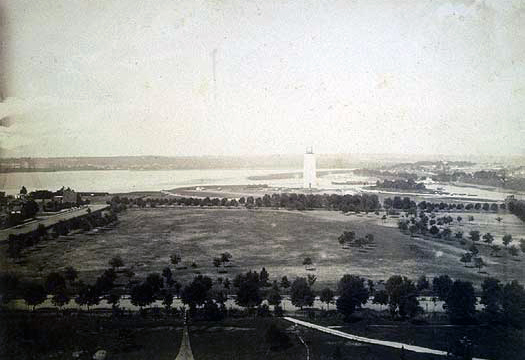
Department of Agriculture Fields
In 1863, the Commissioner of Public Buildings offered the Department of Agriculture the land between 12th and 14th streets and North and South B Streets (today's Constitution and Independence Avenues) for use as an experimental garden for agricultural purposes. The land assigned to the Department was part of the Washington Monument cattle yards created to supply food to Union troops during the Civil War. After the Civil War in 1865, the Department grew test crops on the undeveloped spaces of the mall for over a decade. -
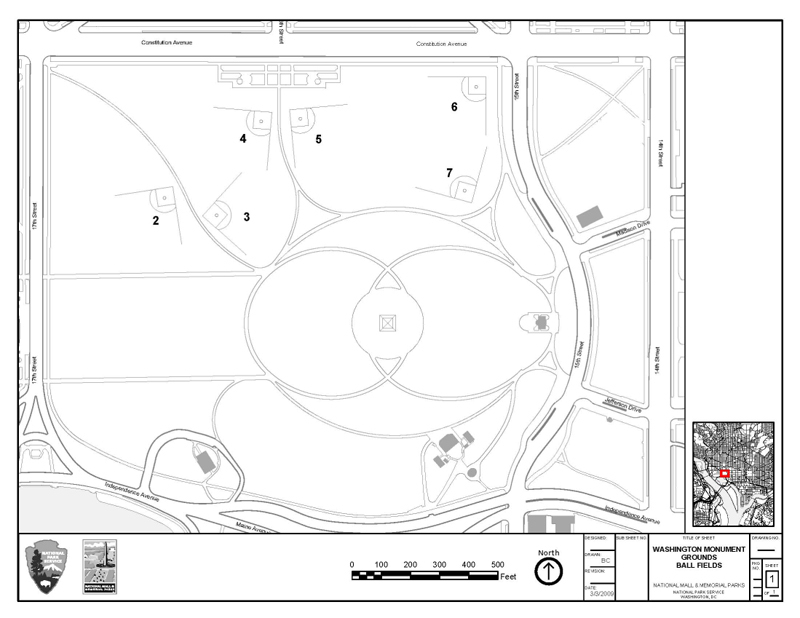
Washington Monument Softball Field Map
Washington, DC, is home to a number of softball leagues, most of which make use of the fields on the Mall. All of the fields are managed by the National Park Service and some are first come, first served. The six fields on the Washington Monument grounds, shown on this map, are assigned to individual softball teams by a yearly lottery. -
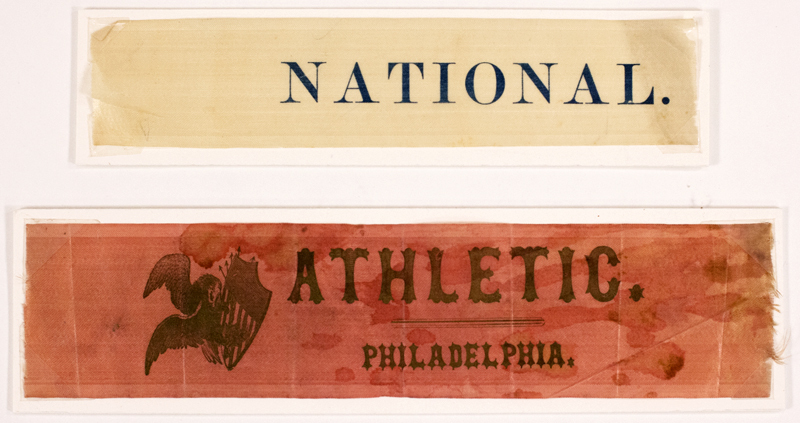
Baseball ribbons
Some baseball clubs in the 1860s exchanged ribbons printed with their team names just before a game. Some players collected the ribbons on their uniforms, displaying all the teams they had faced. These ribbons are from the Washington Nationals and the Philadelphia Athletics. The Nationals' home field was the Ellipse, just south of the White House. In 1865, the Nationals faced the Athletics in a tournament which drew hundreds of spectators, including President Andrew Johnson. These ribbons may not be from that game, but they are from the collection of an early fan of Washington baseball. -
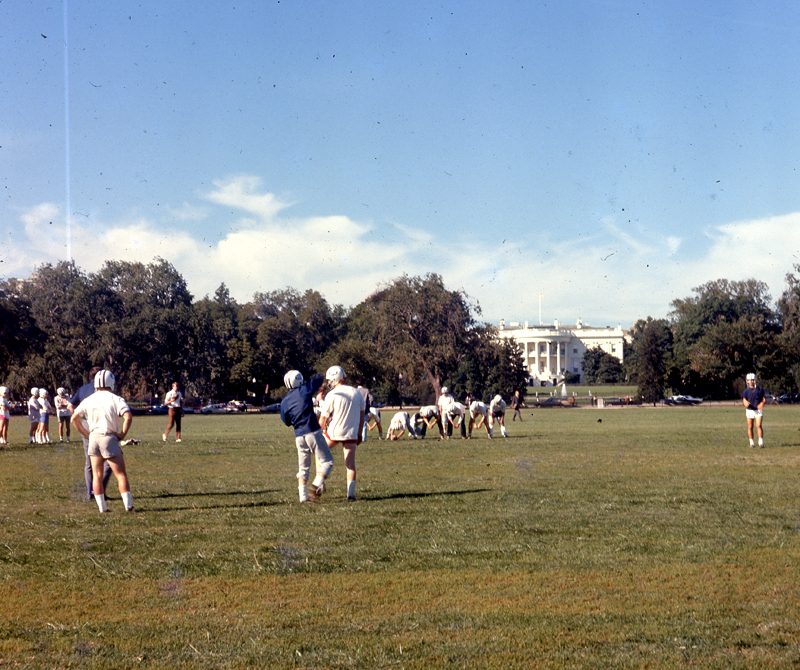
Pickup football game on Ellipse
Washington residents often use the Mall as a place to play sports. This game of football in 1971 was organized enough that everyone brought helmets, but still fairly informal. They were playing on the Ellipse, which was home to four baseball diamonds in the mid 1900s. -
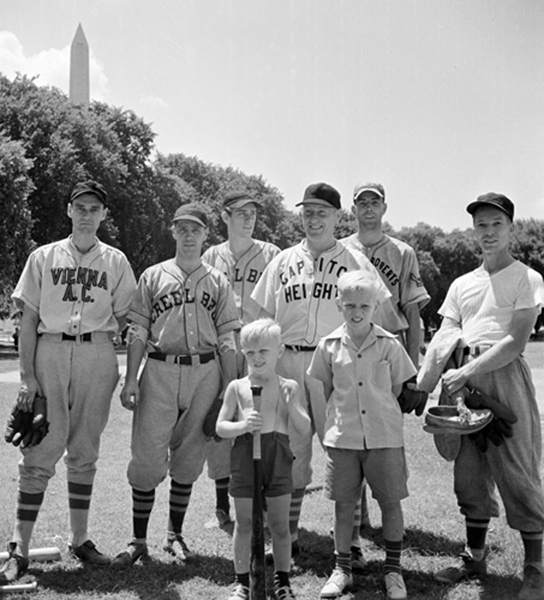
Winning Baseball Team on the Mall
This team made up of workers from various garages in the city had just won a baseball game against the Employee's recreation association team when their photo was taken. They were one of many teams who played baseball on the National Mall during World War II. The sport and location were so popular that at least one game was played every day, and off-duty servicemen as well as friends and family came to watch the games. -
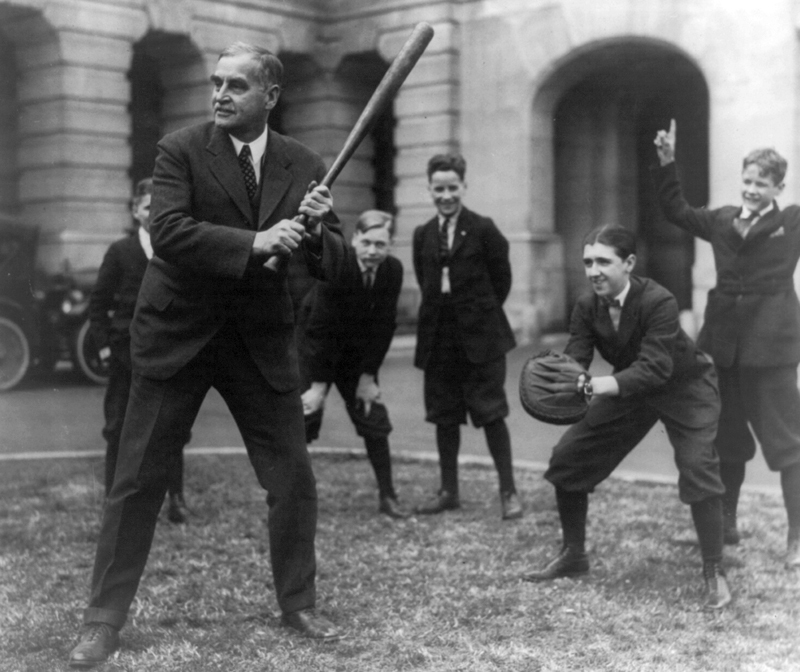
Senator Pepper playing baseball with Congressional pages
The pages for the Senate and House of Representatives in the 1920s were junior-high and high-school aged boys who ran messages for Congressmen. Both the Senate and the House pages had baseball teams which played each other, as well as local schools. In this picture, Senator George Pepper of Pennsylvania plays a little pick-up baseball with pages on the lawn of the Capitol. -
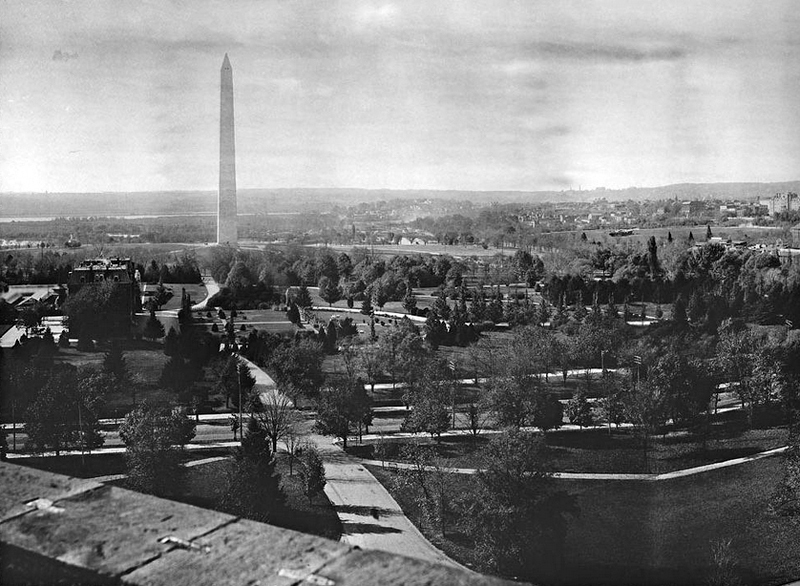
View from the roof of the Smithsonian
This photograph was taken from the roof of the Smithsonian Castle around 1886. The small building on the left between the Smithsonian and the Washington Monument is the old Department of Agriculture Building, with its formal garden to the right spreading out across the Mall. -
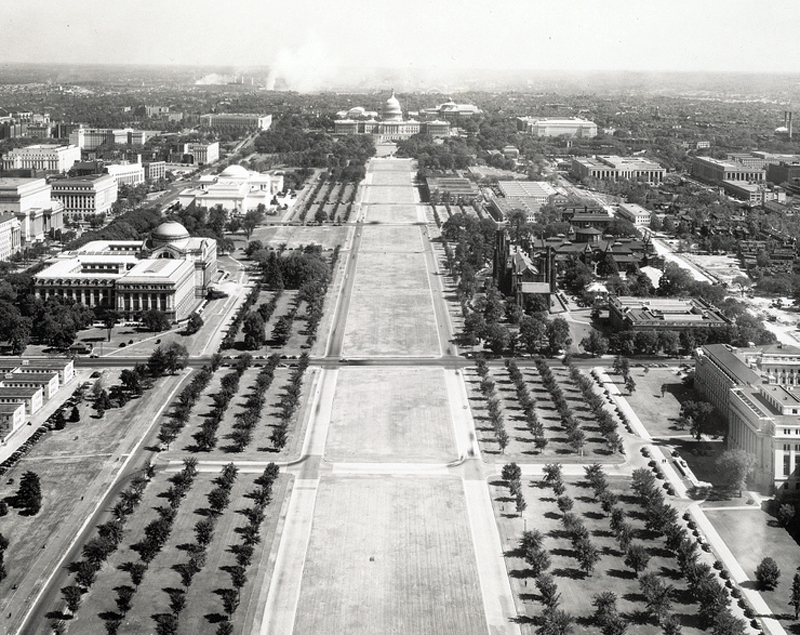
View from the Washington Monument
This photograph was taken from the top of the Washington Monument in 1942. The Smithsonian Castle and National Museum of Natural History are visible in the middle of the picture. In the 1930s, the trees on the Mall were removed and rows of American elms were planted, per the McMillan Plan for the Mall proposed in 1901. This picture clearly shows the rows of young trees stretching on either side of the open middle section of the Mall. -
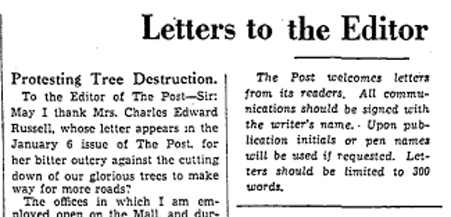
Protesting Tree Destruction
In the 1930s, the National Park Service moved forward with a plan to remove trees on the Mall and replace them with rows of American Elms. Katherine Rowland worked in an office near the Mall and wrote to the editors of the Washington Post to protest the tree destruction in general and specifically the removal a tree which shaded her office window and under which she had set a bird bath. Despite the opposition of Rowland and people like her, the trees were removed. -
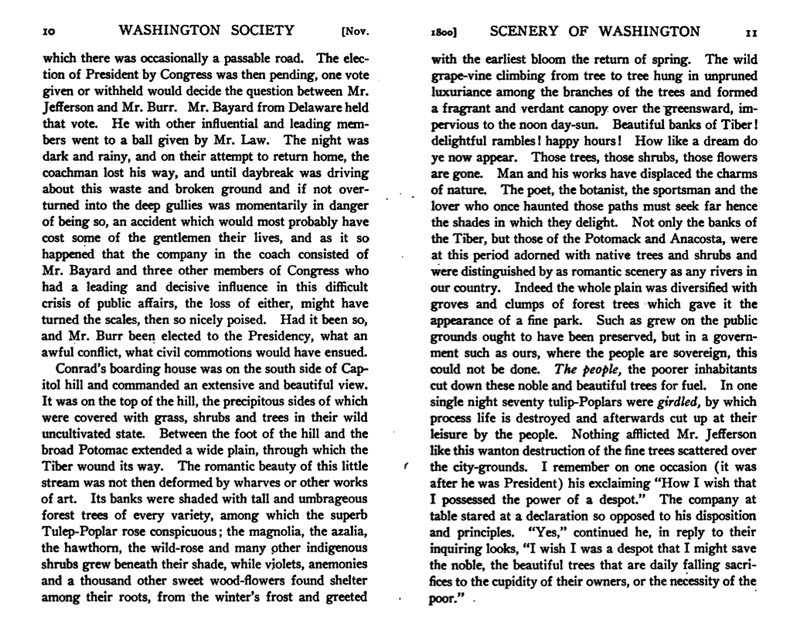
The Mall in 1800
In this passage, Margaret Bayard Smith describes the Mall as it was when she first arrived in Washington in 1800, a plain covered in trees, shrubs, and flowers. By the time she wrote this passage in 1837, the banks of the Tiber had been transformed into the Washington Canal, and the groves had been harvested for timber for the new city. -
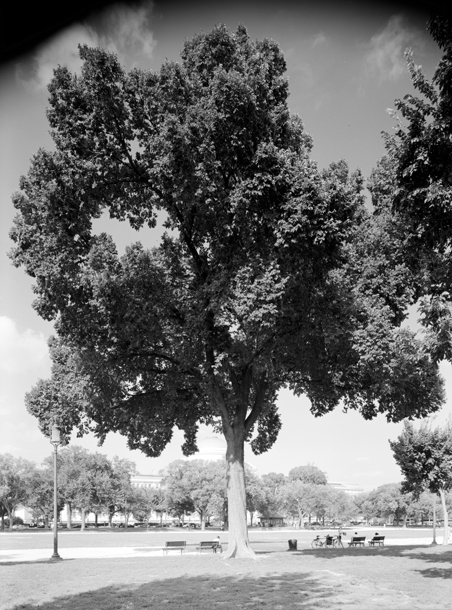
Jefferson Elm
This elm tree, called the Jefferson elm, is one of the original 300 elm trees planted on the National Mall in the 1930s. At the same time these trees were planted, Dutch Elm disease appeared in the United States and infected native American elms. Although many of the original National Mall elms succumbed to the disease, the Jefferson elm is resistant. Scientists with the National Arboretum and Department of Agriculture study this tree and have cloned it to help renew the population of American elms. One of the cloned trees, a propagar, was planted at the White House in 2006. -
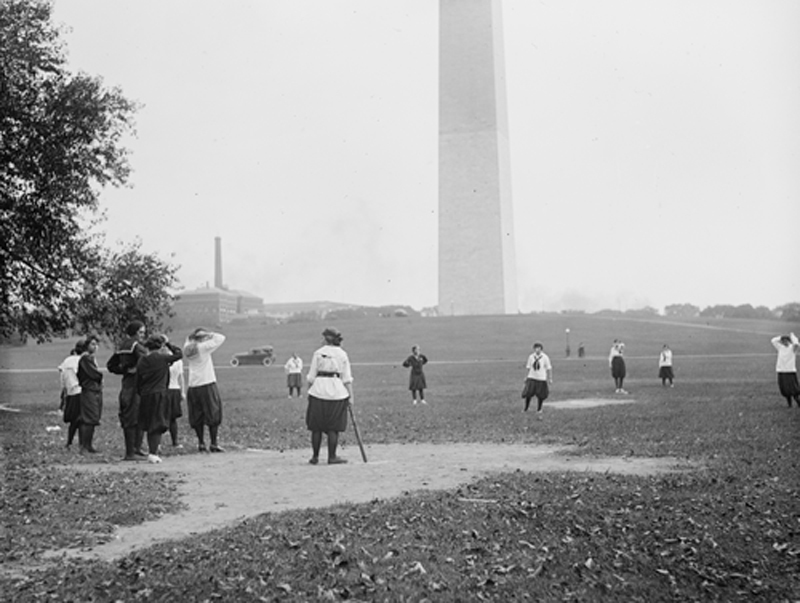
Women's Baseball Game
This baseball game was probably a match between women who worked for various government offices related to World War I. An organization called the War Camp Community Service organized sports activities and teams for soldiers and for government employees, including the many female employees who came to Washington during World War I. Teams were formed by women from the War Risk, Navy, and Internal Revenue Offices. In October 1919, these teams played a tournament just after the end of the World Series, extending the baseball season in Washington, DC. -
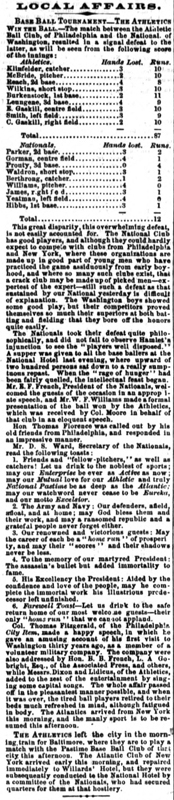
Baseball Tournament
The Philadelphia Athletics Baseball Club played the Washington Nationals Baseball Club on the Ellipse, just south of the White House, in a special game on August 28, 1865. Thousands of locals, including President Andrew Johnson and his family, paid the $1 fee to sit in the newly constructed stands and watch the game. The Nationals were defeated 85-12. -

Baseball Tournament on the Ellipse
In August 1865 the Washington Nationals Baseball Club invited the Philadelphia Athletics and the Brooklyn Atlantics to come and play in what was billed as a tournament. The Nationals constructed stands for spectators on their home turf just south of the White House, the area we now call the Ellipse. Over 10,000 people came to watch the games, even with an admission fee of $1. The Nationals faced the Athletics on August 28 and the Atlantics on the 29th, losing both games. The two out of town teams did not play each other. -
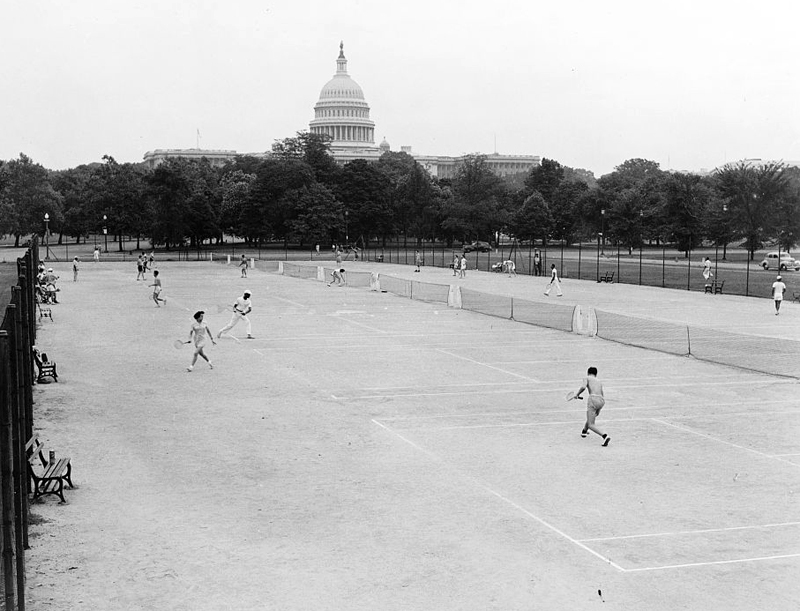
Tennis courts on the Mall
Ten public tennis courts stood on the Mall between 3rd and 4th street by 1940 and remained until 1972, when they were removed to make way for the National Gallery of Art's east wing. Although these courts were free to use, they were very popular and players had to reserve them well in advance. These courts were probably segregated when they opened, but by 1948 they were designated "open" to any race. -
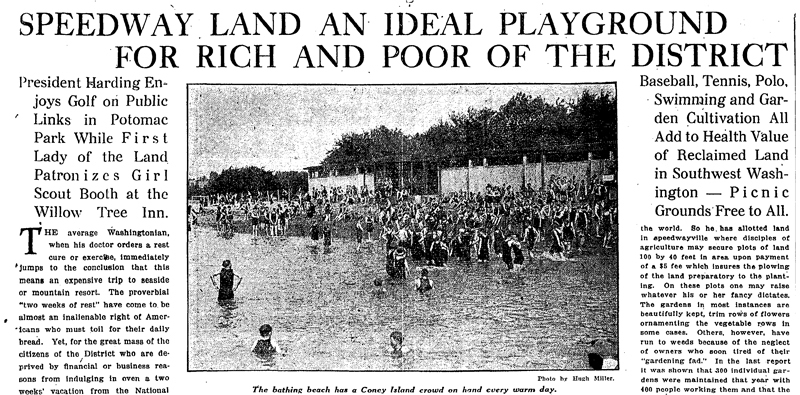
Speedway Land an ideal playground for rich and poor of the District
This newspaper article describes the recreational activities which were free or low-cost in the area today known as East and West Potomac Park. In the 1920s, the part of Independence Avenue which stretches into West Potomac Park was called the Speedway. There was a beach, tennis courts, a golf course, baseball diamonds, a picnic area, and even garden plots rented by the year. However, while most of these activities were free, at least some of them was segregated by race. -
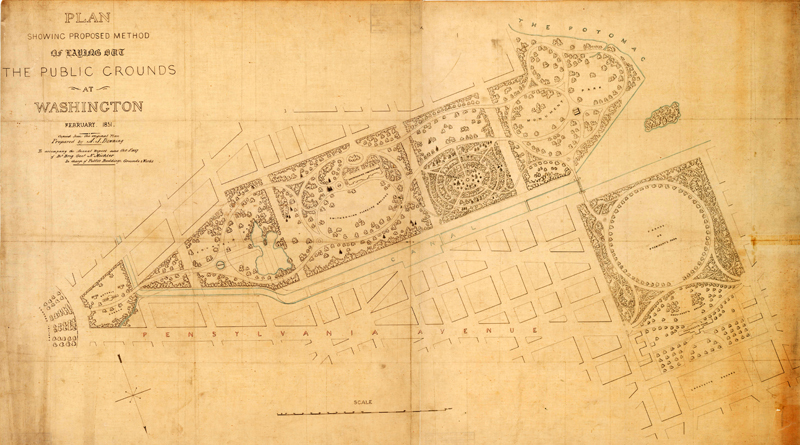
Downing's Plan for the Mall
Andrew J. Downing presented this proposal for a landscape design of the National Mall to President Millard Fillmore in February 1851. He incorporated the Capitol's western front (left) and White House grounds (right), fulfilling Pierre L'Enfant's desire for the two buildings to be connected by a park-like space. Downing divided the Mall into six spaces, connected by winding paths. As he wrote in a letter to the President a month after presenting his plan, he wanted the Mall to "form a public museum of living trees and shrubs." Downing's plan was never fully implemented, in part due to his early death in 1852 at the age of 36. -
Mills' Proposed Plan of the Mall
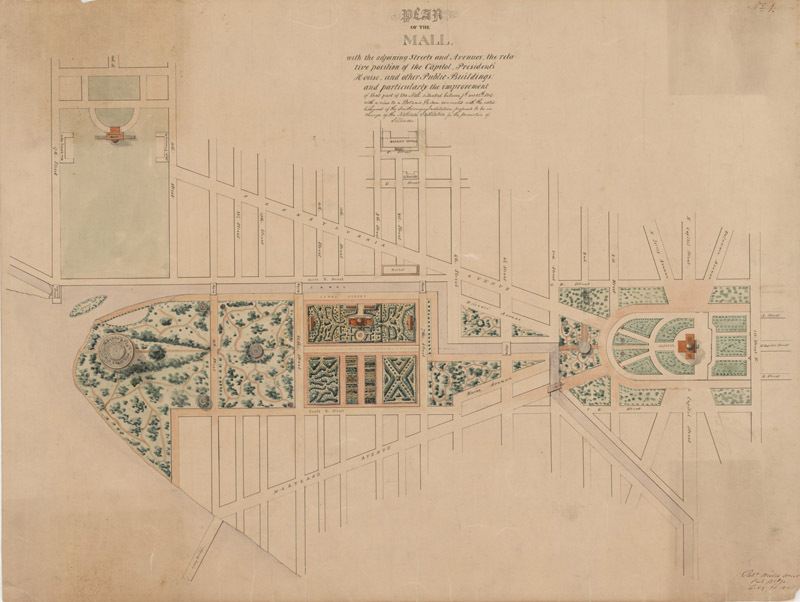
In 1840, Secretary of War Joel Poinsett commissioned Robert Mills to create a plan for the recently proposed Smithsonian Institution's building and the grounds from the Capitol to the future site of the Washington Monument. Mills broke the Mall into sections, with formal botanical gardens near the Smithsonian Building, which he set on the north side of the Mall. The area near the Washington Monument was meant to evoke the wilderness, with numerous trees and curving pathways. Only a portion of the plan, the landscaping for the Smithsonian grounds, was ever developed. -
Our Wounded and Sick Soldiers
Walt Whitman regularly visited wounded soldiers recovering in hospitals during the Civil War in the Washington area. While consoling patients, Whitman also wrote down many observations during his hospital visits. This article publishes excerpts from his journal. -
Bicycle Rental at the Tidal Basin
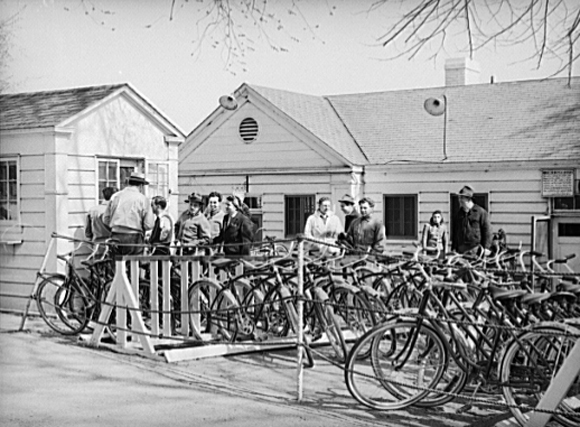
In the 1930s and 1940s, the National Park Service operated a bicycle rental service near the Tidal Basin Boat House. Starting in 1942, bicycles were rationed items, making it difficult to buy one. Washington residents and war office workers could rent a bicycle to ride on the paths along the Mall. A trip around Hains Point in East Potomac Park was especially popular. -
Dawn Strikes the Capitol Dome
This excerpt from a video about daily life in Washington, DC, shows people engaged in sports activities on and around the Mall. A section of West Potomac Park, near the Franklin Delano Roosevelt Memorial, has been used as a polo ground since the early 1900s. In addition to the golf course which is still open today in East Potomac Park, in the 1930s there was a golf course just south of the present site of the Korean War Memorial. There was a whites-only swimming pool near the Washington Monument during the 1930s and 40s. -
Union soldiers at attention in front of the Capitol
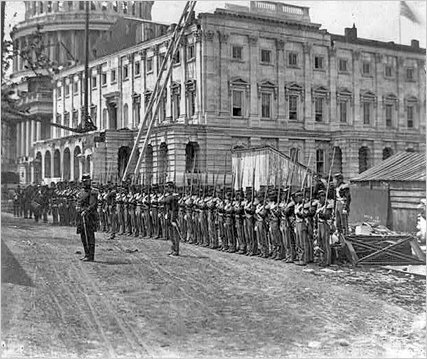
Union soldiers monopolized the spaces of the National Mall during the Civil War. At the outset of the war the US Capitol was a work-in-progress. Despite the war Congress pushed for its completion as a symbol that the ideal of a United States would transcend the disunion of the war years. However, early in the war, construction halted as Union troops occupied the building. With their eviction in 1862, construction resumed. Statues and forts around the city raised gun salutes for the installation of the statue on top of the dome in 1863. -
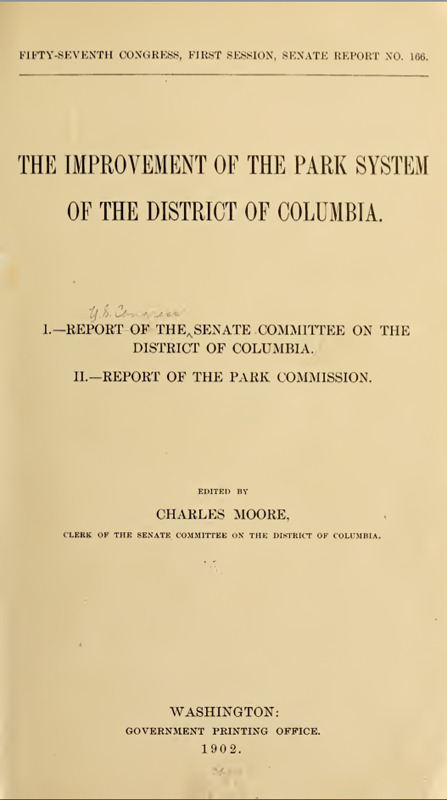
McMillan Plan
The McMillan Plan was presented to Congress and the public by its authors, the Senate Park Commission, in 1902. It described a comprehensive plan redesigning not only the National Mall but the entire system of parks in Washington, DC. Their proposed redesign of the Mall included removing the train station from near 6th street and unifying the landscape between the Capitol and the Washington Monument. -
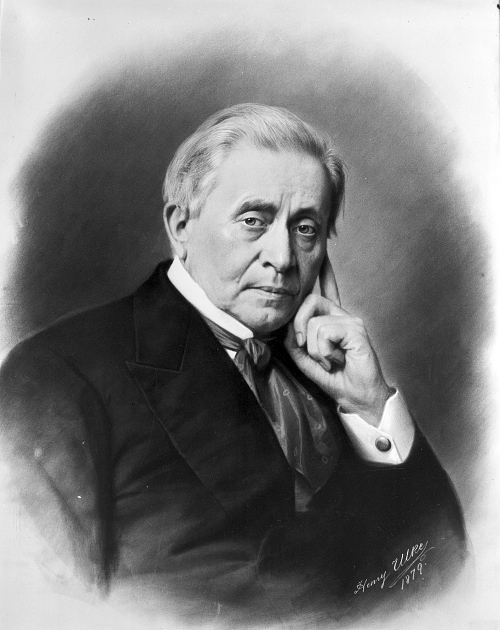
Joseph Henry
Henry was a noted scientist in the United States when he was selected to serve as the first Secretary, or chief executive officer, of the new Smithsonian Institution in 1846. He served for 30 years, developing the new museum as a center for research, publications, and international exchange. During his tenure, the Smithsonian provided important support for scientists by coordinating and funding research, publishing original studies, and facilitating communication among scientists in the United States and abroad. He lived with his family in the Smithsonian Castle until his death in 1878. -
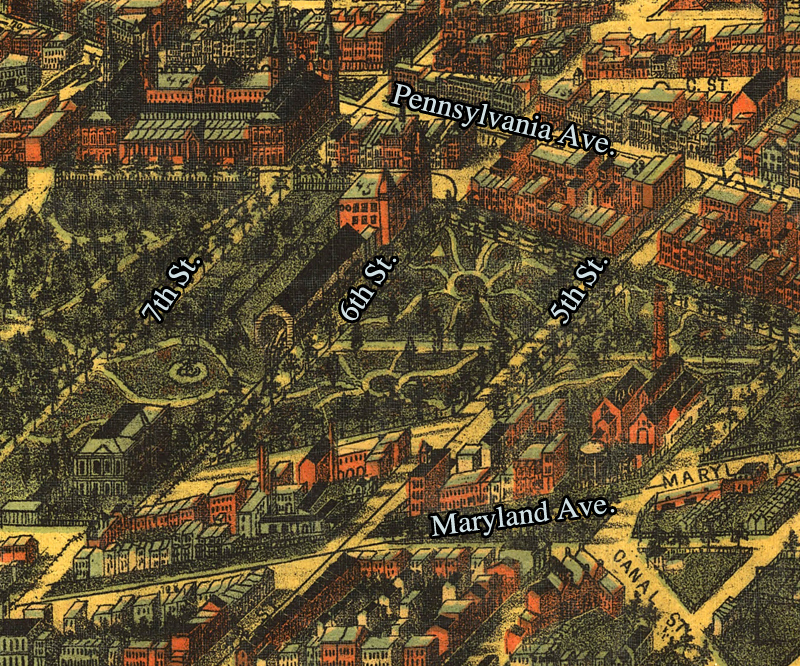
Detail, National Capital
This detail of Adolph Sachse's stylized bird's-eye view of Washington highlights the section of the National Mall west of the US Capitol on present-day 6th Street. The National Mall was still parkland, a series of gardens, experimental plots, and natural landscapes. Ten years earlier, the Baltimore and Potomac Railway lines visible in this illustration were constructed through its center. Passengers boarded at the station where the National Gallery of Art stands today, and freight cars loaded from sheds among the trees of the Mall. -

Assassination of President James A. Garfield
On July 2, 1881, a deranged Charles Guiteau shot President James A. Garfield at the Baltimore and Potomac Railway Station. Guiteau was an unsuccessful lawyer, evangelist, and insurance salesman, who thought that the President owed him a government job. Garfield died from complications from the wound on September 19. Pennsylvania Railroad Company placed a plaque and a star on the location of the assassination. However the public often complained that they disliked the reminder of the crime every time they entered the waiting room, and the company removed the commemorative tablet and star in 1897. Today, Garfield's is the only unmarked presidential assassination. -
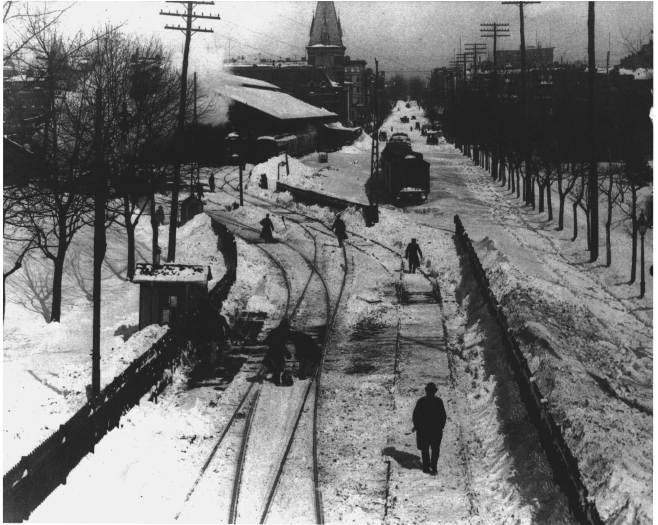
Baltimore and Potomac Railroad Train Sheds
The Baltimore and Potomac Railroad, a subsidiary of the Pennsylvania Railroad, crossed the National Mall between 1870 and 1907. Sheds for waiting trains and empty freight cars extended into the parklands of the National Mall. As the population grew and railroad traffic increased, the Pennsylvania Railroad battled to extend its buildings and tracks onto the Mall and into the neighborhood. Many believed the railroad was in the best interests of business and commercial growth of the city. Others felt the railroad in the Mall contradicted President George Washington's original purpose to create a Mall as a central parkland and cultural center. -

Inauguration of President William Henry Harrison
In February 1841 President-elect William Henry Harrison arrived during a snowstorm at the Baltimore and Ohio railway station near the US Capitol. The first president to arrive at an inaugural by train, his inauguration also marked the first time an official committee of citizens planned the events. At 8,445 words, Harrison delivered the longest inaugural address on record, but served the shortest time of any American president. His inaugural took place on the east side of the Capitol building in overcast, windy weather. Three weeks later, he became ill and died after only 32 days in office. -
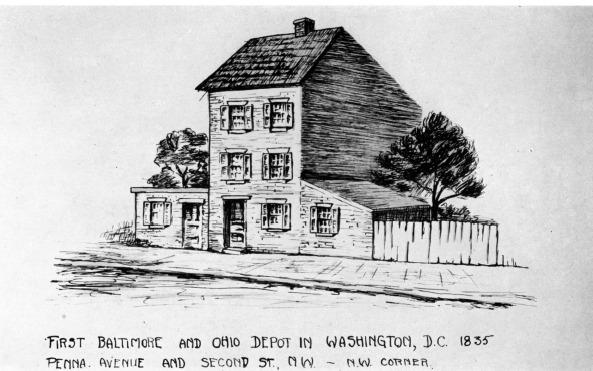
Baltimore & Ohio Train Depot, 1835
The brick Baltimore and Ohio Railway Depot stood at the intersection of Pennsylvania Avenue and Second Street on lots formerly occupied by a cabinet maker and a boarding house. Fitted with offices, living rooms, and a waiting room, an agent and a staff of fewer than half a dozen men managed passenger, baggage and freight. A few thousand people flocked to the station to greet the first trains arriving in 1835, welcomed at the District line by the mayor and the Marine Band. The first passengers were escorted to nearby taverns and hotels for entertainment. Most then, returned to Baltimore, where their journey originated. -

Flood of 1936
One of the highest floods to hit Washington, DC, occurred on March 20, 1936. Flood waters crested at the Key Bridge at 18.5 feet. Around the Mall, much of East and West Potomac Parks were underwater, and some cherry trees were killed. Advance warning allowed the Capital Park Service to construct a temporary dike of stone and sandbags from 17th Street near the Washington Monument along the north side of the Reflecting Pool to the Lincoln Memorial. Later the same year, Congress passed the Flood Control Act of 1936, which included provisions for building permanent levees to protect the National Mall. -

Lindbergh receives Distinguished Flying Cross
On June 11, 1927, President Calvin Coolidge awarded American aviator Charles Lindbergh the Distinguished Flying Cross in a ceremony held on the north side of the Washington Monument Grounds. Lindbergh, who was 25 years old, had completed the first successful transatlantic solo flight from New York City to Paris, France. 200,000 people attended the ceremony on the Mall, and more watched the parade of Lindbergh and his plane from the Navy Yard to the Washington Monument. His plane, the Spirit of St. Louis, is now on display at the National Air and Space Museum on the Mall. -
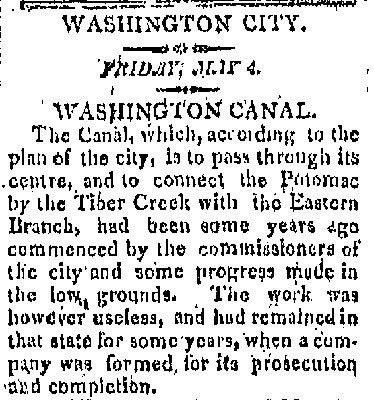
Washington Canal Groundbreaking
On May 2, 1810, Washington officials and citizens flocked to the groundbreaking for the Washington Canal, which would connect the Potomac River to the Eastern Branch, also called the Anacostia River. Although the canal had been part of the original 1791 plan for the city, it had never been built. In 1809, Congress chartered a new company specifically to complete the Canal. The National Intelligencer, one of the first newspapers in Washington, reported on the festivities for the groundbreaking of the canal, which people hoped would promote business in the city. -

Aircraft Building
The Aircraft Building was constructed in 1917 for the use of the US Signal Service during World War I. After the war ended, the building was transferred to the Smithsonian. It opened to the public in October 1920 as an exhibit space housing aircraft. In the 1940s, it became the temporary home of the National Air Museum, established in 1946. Items on display included the Lockheed Vega Winnie Mae which flew around the world in eight days. The building was demolished in December 1975, once work was completed on a permanent building for the National Air and Space Museum. -

Daguerre Memorial
This memorial commemorates photography pioneer, Louis Daguerre, inventor of the daguerreotype. The Photographer's Association of America presented the memorial to the people of the United States in a ceremony at the Smithsonian Arts and Industries Building on April 15, 1890, where it was installed in an alcove. In 1897, it was moved outside to the Smithsonian Grounds so visitors could see the whole piece. The statue was removed from the Mall in 1969 to make way for the Hirshhorn Museum. Today, it stands on the grounds of the National Portrait Gallery. -

Dr. Samuel Gross Statue
This statue of Dr. Samuel D. Gross was unveiled in May 1897 outside the National Army Medical Museum and Library on the National Mall. Gross, who died in 1884, was a celebrated surgeon and professor at Jefferson Medical College in Philadelphia. He was immortalized in an 1875 painting by Thomas Eakin titled The Gross Clinic. The statue was commissioned by Congress and the Physicians and Surgeons of America and created by Alexander Stirling Calder. In 1970, when the Medical Museum and Library moved off the Mall, the statue was relocated to the campus of Jefferson Medical College. -

Treasury Department
The Treasury Department is one of the oldest government departments. It was among those established when the federal government moved to Washington in 1800. The first Treasury Department building was damaged by fire in 1801 and completely destroyed by the British in 1814, during the War of 1812. A second building was destroyed by fire set by arsonists in 1833. In 1836, Congress authorized the construction of a new, fireproof building, which was finished by 1842. Additional wings to the south, north, and west were added in between 1855 and 1869, completing the building we see today. -
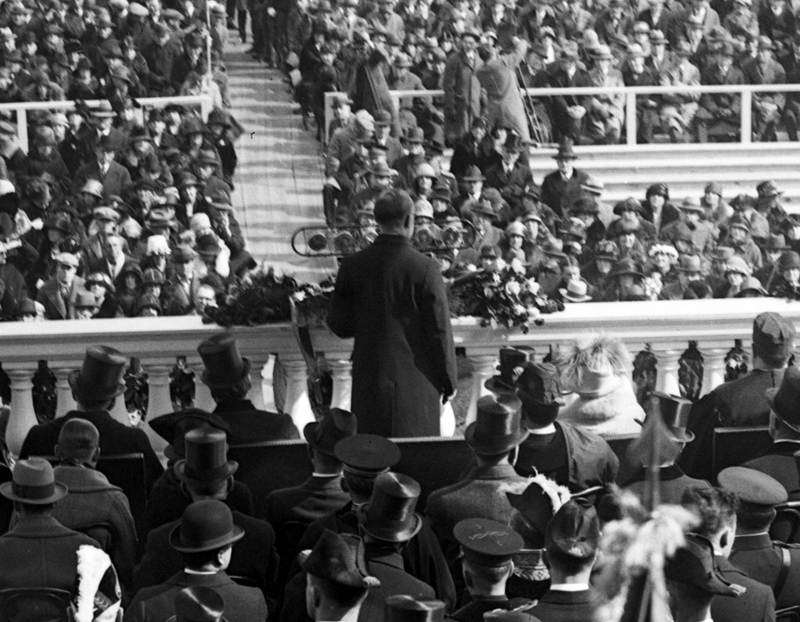
Calvin Coolidge's Inaugural Address
President Calvin Coolidge's inauguration was the first to be broadcast live over the radio. The microphones are visible in this photograph as a row of circles at the level of the President's head. Approximately 23 million Americans listened to the inauguration radio program, which included a description of the Capitol grounds and a history of presidential inaugurations in addition to the ceremony. -
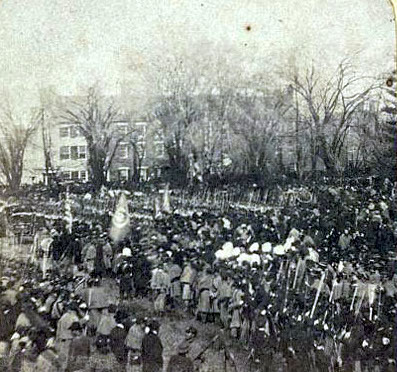
"The Grand Review" - Abraham Lincoln's Second Inaugural Parade
After weeks of wet weather, thousands of spectators and participants trudged through the mud along Pennsylvania Avenue for President Abraham Lincoln's second Inauguration. This inaugural parade was the first to include African Americans as participants, not just spectators. -
President's Levee, or All Creation Going to the White House, Washington
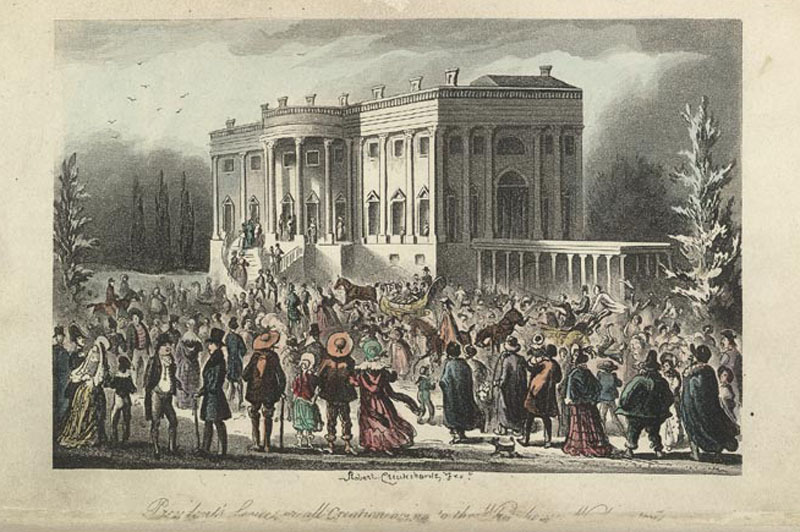
Andrew Jackson campaigned for President as a "man of the people." In keeping with this image, he opened the White House to the public following his inauguration in March 1829. The public reception unfortunately turned into a rowdy mob, breaking windows and furniture within the executive residence until the food and drink was moved outside and the people followed. -
Presidential Inauguration of Ronald Reagan
On January 20, 1981 Ronald Reagan became the first President to be inaugurated facing the National Mall. Before this time Inaugurations were held on the East Portico of the US Capitol, facing the Supreme Court. When the inauguration ceremony moved to the terrace on the West Front of the Capitol facing the Mall, it meant that more citizens could easily attend and view the event. -

World War I Temporary Buildings
During World War I, the federal government built a number of temporary office buildings in Washington to hold all the new workers. The group shown in this photograph stretched across the Mall from north to south just east of 7th Street, visible beyond the National Museum of Natural History on the left and the Smithsonian Castle on the right. The smokestacks of the power plant were set apart so they did not obstruct the view of the Washington Monument from the Capitol. This complex was slowly dismantled, with the power plant and central buildings removed by 1936. -

Eleanor Roosevelt
As First Lady, Eleanor Roosevelt championed equal opportunity for all races and for women, often communicating the opinions of civil rights leaders to President Franklin D. Roosevelt and his administration. Roosevelt resigned from Daughters of American Revolution in 1939 when they refused to allow Marian Anderson to sing in Constitution Hall because she was African American; she then helped organize Anderson's concert at the Lincoln Memorial. Roosevelt was also an ally to A. Philip Randolph, particularly in the early 1940s when civil rights leaders were protesting discrimination in the defense industry. Roosevelt encouraged her husband to meet with Randolph and others in 1940, and again in 1941. -
March of Mourning Set for Nation's Capitol
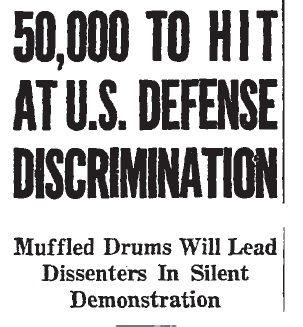
Plans for a March on Washington, organized by civil rights activist and labor leader A. Philip Randolph, gained momentum in 1941. African Americans were frustrated by racial discrimination in the defense industry, one of largest industries at the time. African American leaders envisioned tens of thousands of marchers parading through the city and ending at the Lincoln Memorial. That Randolph choose the Lincoln Memorial as a rallying point was not surprising: the site had served as focal point for civil rights since segregated audiences participated in the memorial dedication in 1922. -
Executive Order 8802
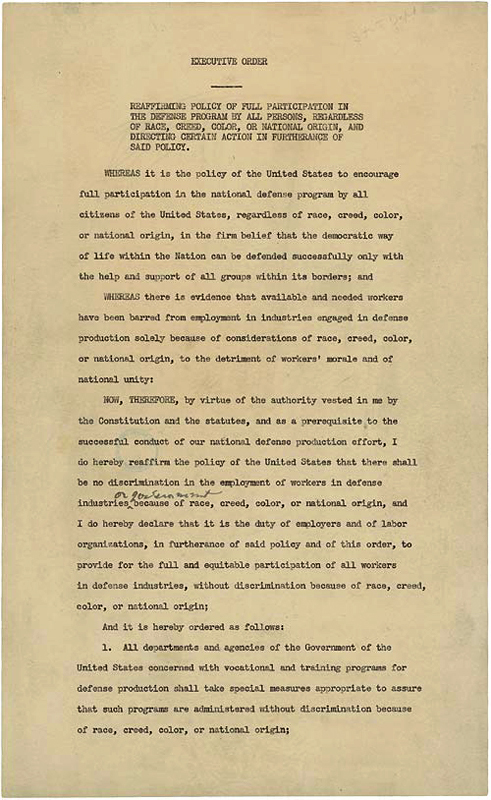
On June 25, 1941, President Franklin Roosevelt signed Executive Order 8802 which prohibited racial and other discrimination in the defense industry. The Executive Order was a partial response by the White House to a planned march by African American activists on the National Mall to protest discrimination in the defense industry. Defense jobs were a major source of employment even though the United States was not yet at war. -
Removal of the Seat of Government
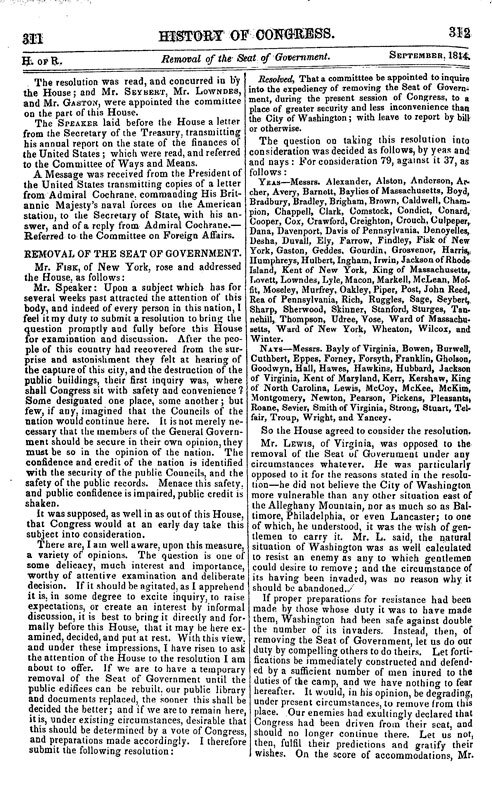
In August 1814, British troops invaded Washington and set fire to many federal buildings. Congress reconvened on September 19, meeting in cramped rooms at Blodgett's Hotel because the Capitol had been heavily damaged. The House of Representatives soon began to debate whether the entire federal government should leave Washington, even temporarily. This document is the first of many pages from the Congressional record detailing the arguments for and against moving the national capital. After almost a month of debate, the House voted on the measure to relocate, defeating it by only 83 yea to 76 nay votes.