Places
Item set
Items
-
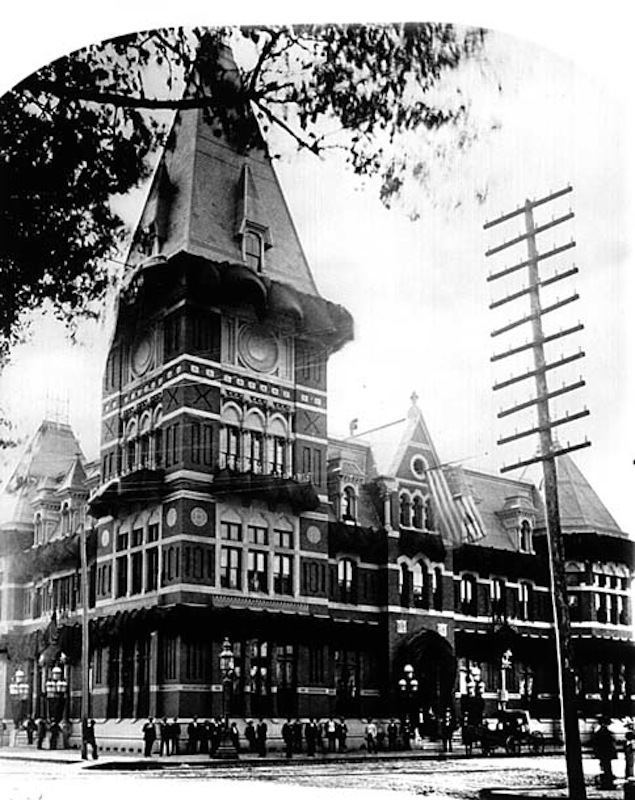
Baltimore and Potomac Railway Station
The Baltimore and Potomac Railway Station was built in 1873, over the old Tiber Creek and Washington City Canal waterway on the present-day site of the National Gallery of Art. Building contractors sank 35-foot piles to secure the foundation of the building on the waterlogged ground. Made of red brick pressed with black mortar, the building's three towers, elaborate roofs, ornamental iron, and red, blue, and green slates exemplified Victorian Gothic architecture. President James A. Garfield was assassinated at the station on July 2, 1881. The station was demolished in 1907 after nearby Union Station was built and the Baltimore and Potomac Railroad consolidated with other railroad companies. -
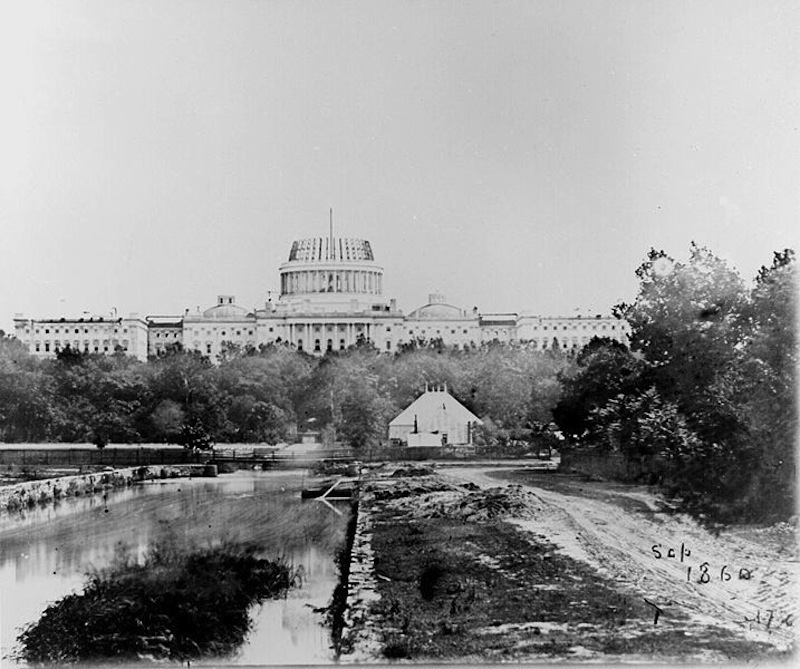
Washington City Canal
The Washington City Canal ran for approximately two miles of canal through Washington from the present day Navy Yard, across the Capitol grounds, and down present day Constitution Avenue. Completed in 1815, the Canal incorporated Tiber Creek near today's Washington Monument. In 1833, the Canal was connected to the C&O Canal through an extension known as the Washington Branch. Early city planners envisioned the Canal as part of a commercial transport system, linking the nation's capital with the interior of the country. Traffic on the canal declined by the 1850s while political and financial upheavals left the canal poorly maintained. The canal was filled in in the 1870s. -
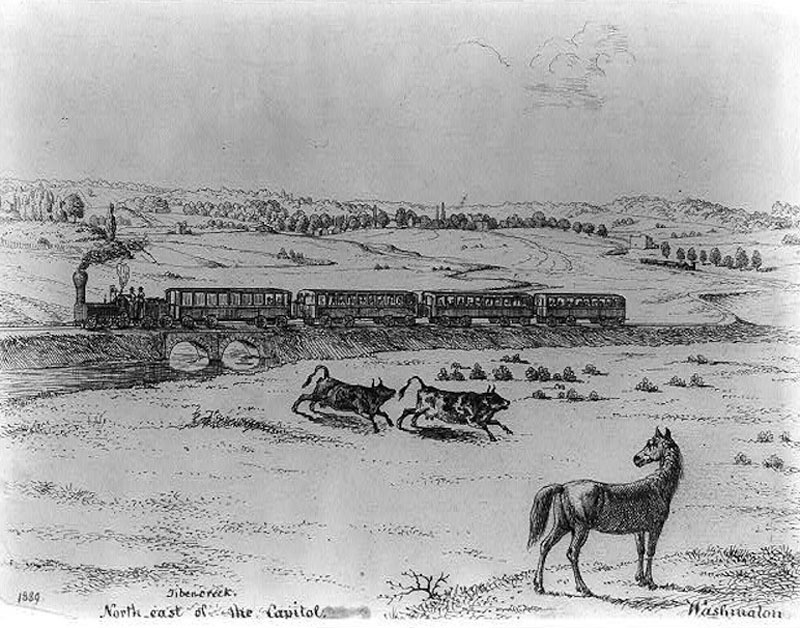
Tiber Creek
Tiber Creek had been known as Goose Creek before 1790 when the city of Washington, DC was laid out and designated the nation's capital. The creek extended from the base of Capitol Hill to its mouth near the present day Washington Monument. In 1815, it was incorporated into the Washington City Canal. Essentially an open sewer, the creek was enclosed in a tunnel and diverted underground in 1871. -
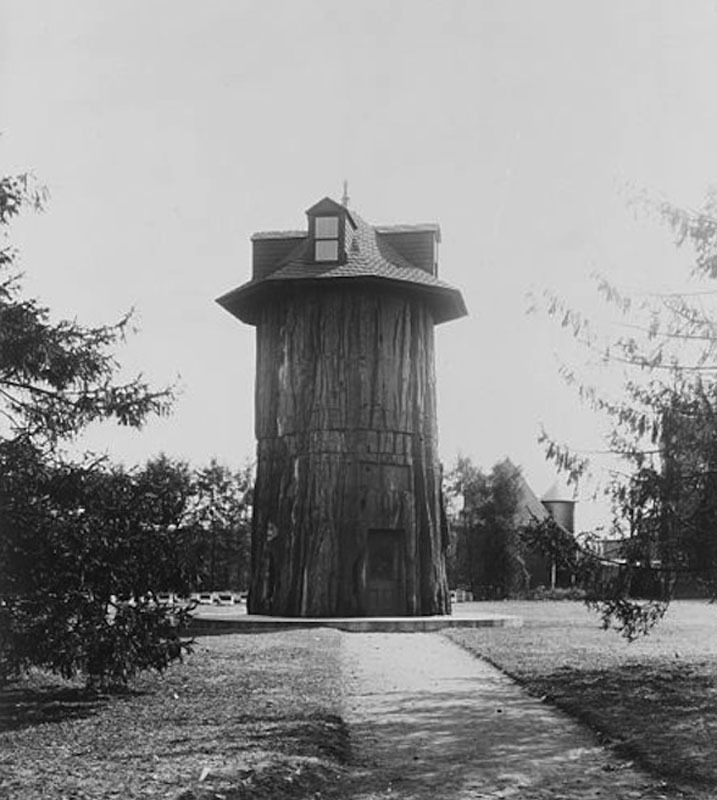
Redwood Tree House
The Redwood Tree House stood on the grounds of the US Department of Agriculture for 38 years, between 1894 and 1932. Harvested in California, it had been displayed at the 1893 World's Columbian Exposition in Chicago before coming to Washington. The giant Redwood stood 26 feet across and 36 feet high, and as a tree house, it contained a staircase and a viewing platform at the top. Visitors to the Mall could climb the staircase to enjoy the view. -
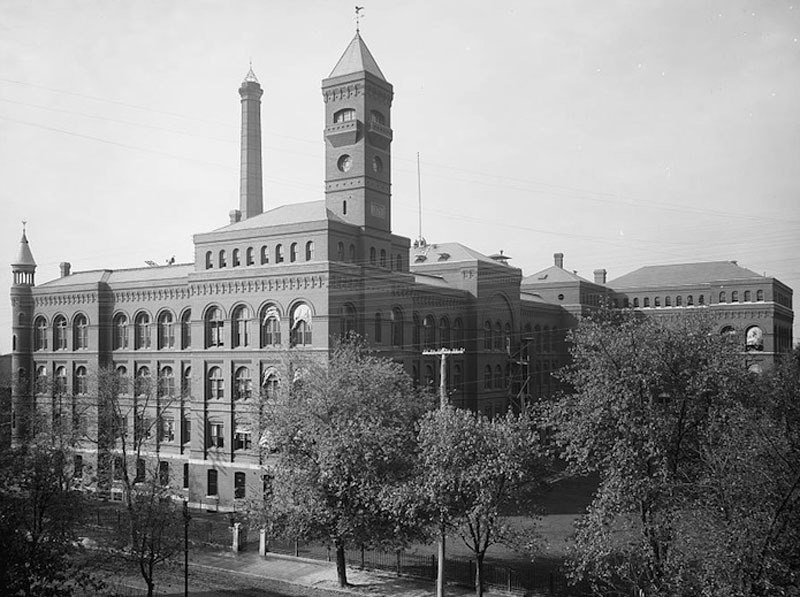
Main Building of the Bureau of Engraving and Printing
The Bureau of Printing and Engraving is one of two sites in the United States where currency is produced (the other is in Fort Worth, Texas). The Bureau has been printing money here since 1880. Prior to that, currency was printed by private companies under the direction of the Secretary of the Treasury's office. In 1894 the Bureau began printing postage stamps, which it continued until 2005. In 1938, an annex located across 14th Street was completed. The Bureau prints approximately 8 billion notes per year. -
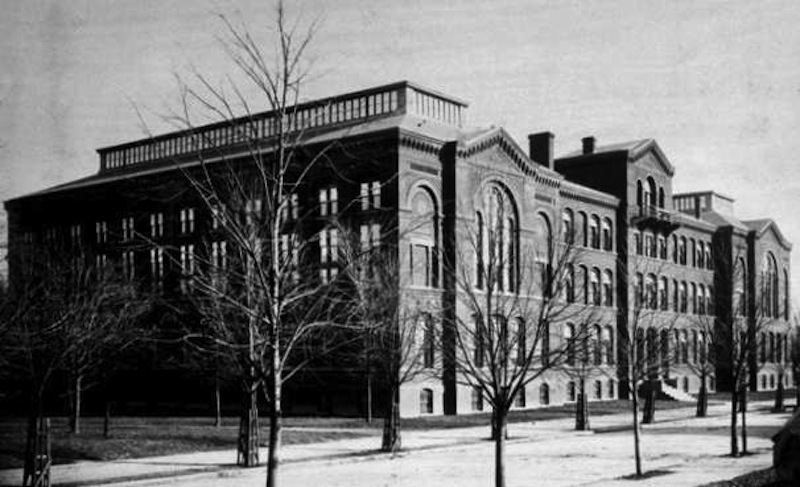
Army Medical Museum and Library
The Army Medical Museum and Library served as the home for the library and museum of the Surgeon General's office. The Museum was founded in 1862, but it did not have a permanent home until the building opened in 1887. For a time, it also housed Army medical records and the Army Medical School (1893-1910). The building received National Historic Landmark status in 1964, but in 1969, it was demolished to make way for the Hirshhorn Museum. The Army Medical Museum moved to Walter Reed Army Medical Center campus. -
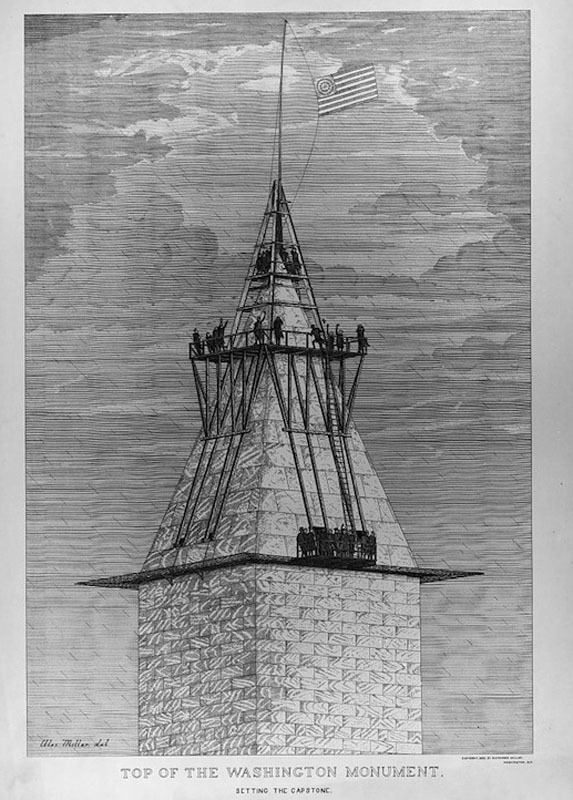
Washington Monument
The Washington Monument is the only actual monument on the National Mall because Washington was alive when it began to be planned. All others on the Mall are memorials, created after the person being remembered has died. Begun in 1848, construction of the monument was interrupted in 1854. Political and social events deferred construction until 1877, and the monument was finally completed in 1884. The line approximately a third of the way up the monument shows where construction was halted. A 2011 earthquake damaged the monument., closing it for repairs. The National Park Service reopened the monument in 2014, but issues with the elevator and electrical system forced another closure in August 2016. The landmark is expected to reopen in spring 2019. -
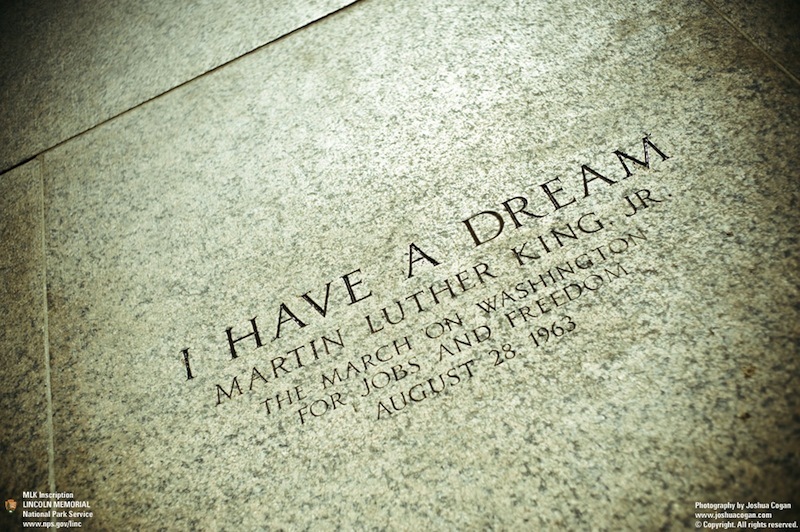
"I Have a Dream" Inscription
Eighteen steps from the top landing of the Lincoln Memorial, an inscription marks the spot where Dr. Martin Luther King Jr. stood to give his "I Have a Dream" speech in 1963. The marker was placed in 2003 to mark the 40th anniversary of that speech. Coretta Scott King, Dr. King's widow, attended and spoke at the dedication. -
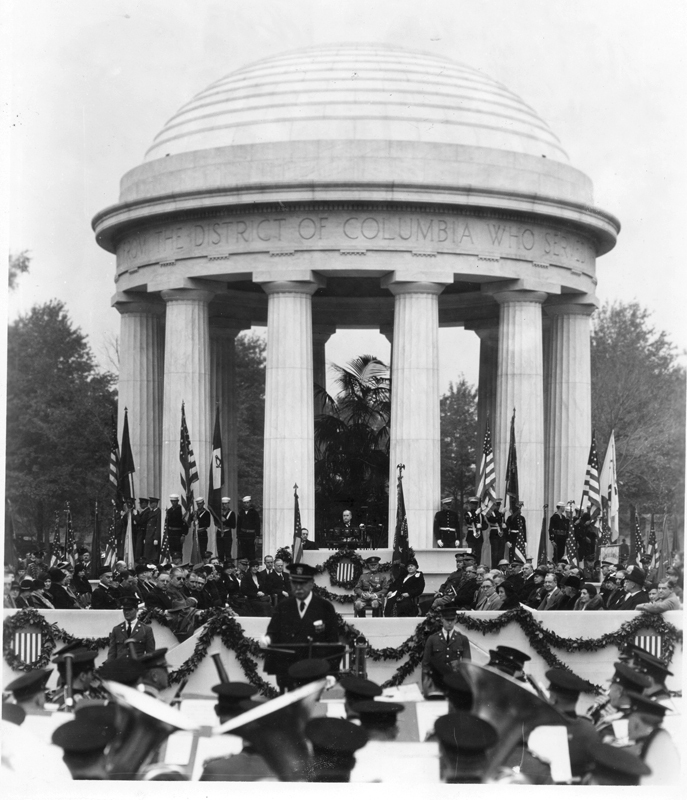
District of Columbia War Memorial
Dedicated by President Herbert Hoover in 1931, the District of Columbia War Memorial honors the residents who served and died in World War I. Inscribed on the floor of the domed monument are the names of the 499 DC residents who perished in that conflict. The names of 26,000 residents who served and survived the war are recorded and preserved within the cornerstone of the memorial. In 2010, Congress approved a measure to enlarge the memorial and re-designated it as the National Memorial to World War I. -
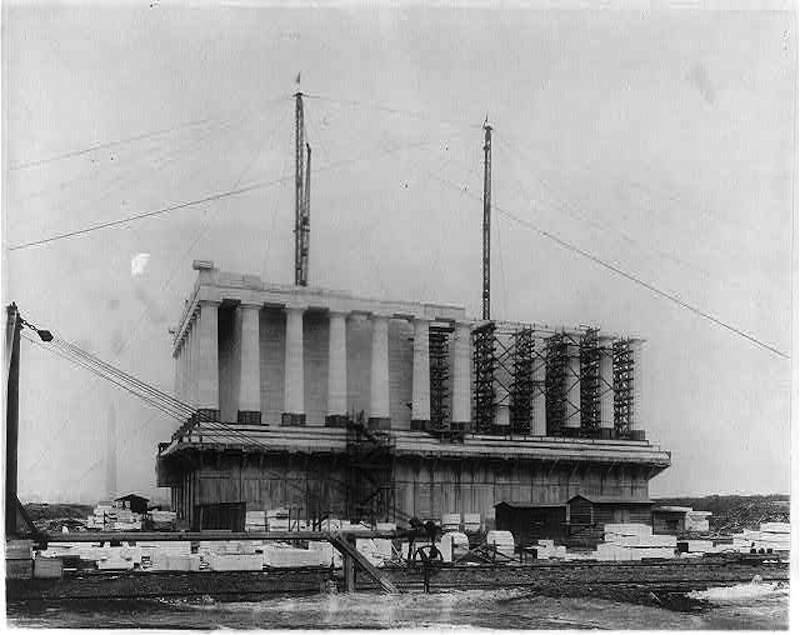
Lincoln Memorial
Constructed between 1914 and 1922, the Lincoln Memorial consists of a large, columned, classically inspired structure with a statue of Lincoln in the interior. Inscribed on the interior walls are Lincoln's Second Inaugural Address and his Gettysburg Address. The site has become a frequent stage for the civil rights demonstrations. African American opera singer Marian Anderson performed there after being barred from performing at then segregated Constitution Hall in 1939. In 1963 Martin Luther King, Jr. gave his "I Have a Dream" speech from the steps of the Lincoln Memorial. -
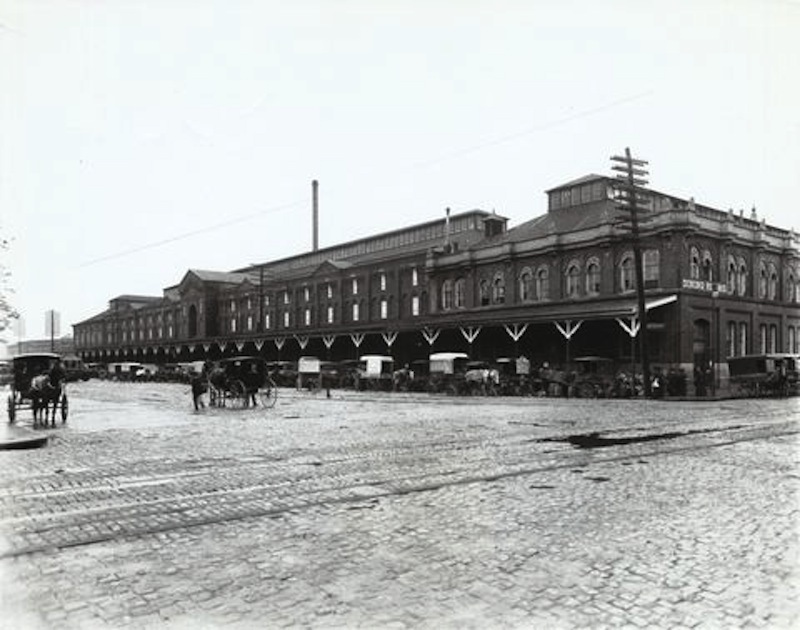
Center Market
Once the largest commercial market in Washington, Center Market opened in 1801. The original buildings were replaced in 1872 by a building designed by Adolph Cluss. The market was close to the Washington City Canal, railroads, and streetcar lines. It was demolished in 1931 and is the current site of the National Archives. Vendors sold all manner of goods inside: produce, meat and fish, and staples. Because of its access to transportation, Center Market was able to sell goods that had been grown or produced far away; fast, dependable railroads and streetcars made it possible to offer fresh foods before they spoiled. -
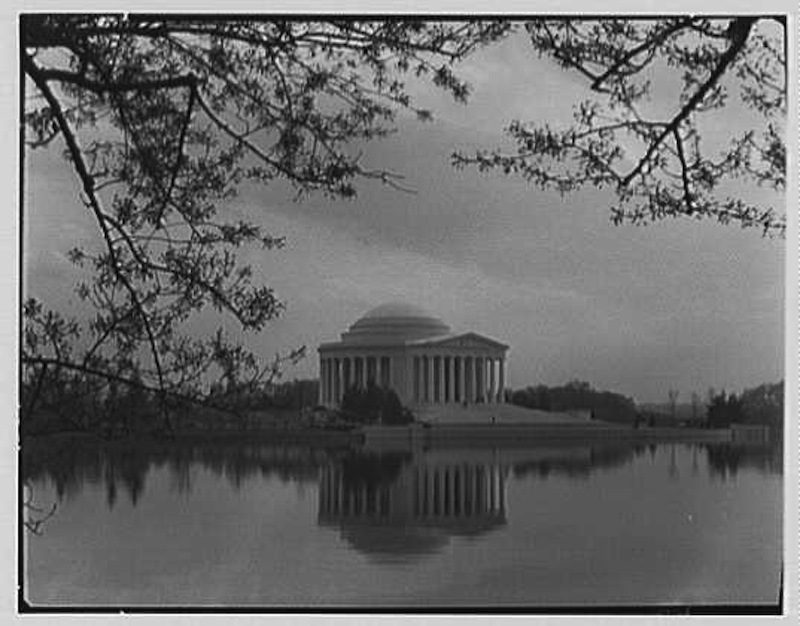
Jefferson Memorial
The Jefferson Memorial features a classically-inspired dome surrounded by columns. The centerpiece of the memorial is a 19 foot bronze statue of Jefferson. The statue was the second one of Jefferson placed in the Memorial, replacing a work made of plaster because material shortages during World War II made metal unavailable. Inscriptions on the interior walls of the memorial include passages from the Declaration of Independence, Notes on the State of Virginia, and A Summary View of the Rights of British America. -
United States Botanic Garden
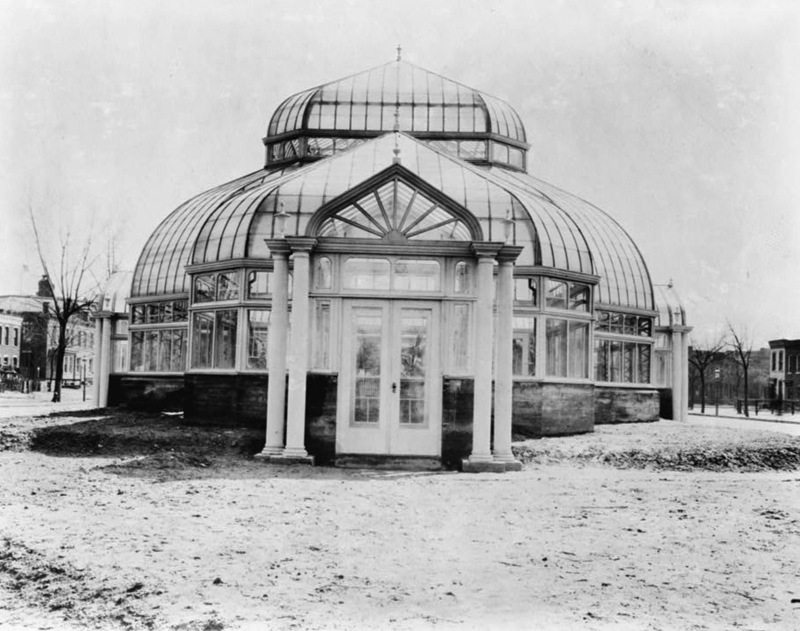
Now encompassing several buildings and several dozen acres, the US Botanic Garden began with an original plot of 5 acres set aside by President James Monroe. The original location of the garden buildings was on 3rd Street in line with Capitol dome, roughly where the Capitol Reflecting Pool is today. The Garden expanded several times, especially in the 1860s, to accommodate the first greenhouses built on the site. In 1933, the Garden was moved to its present site. The Garden holds over 100,000 plant specimens, many of them rare. -
First Air Mail Flight Marker
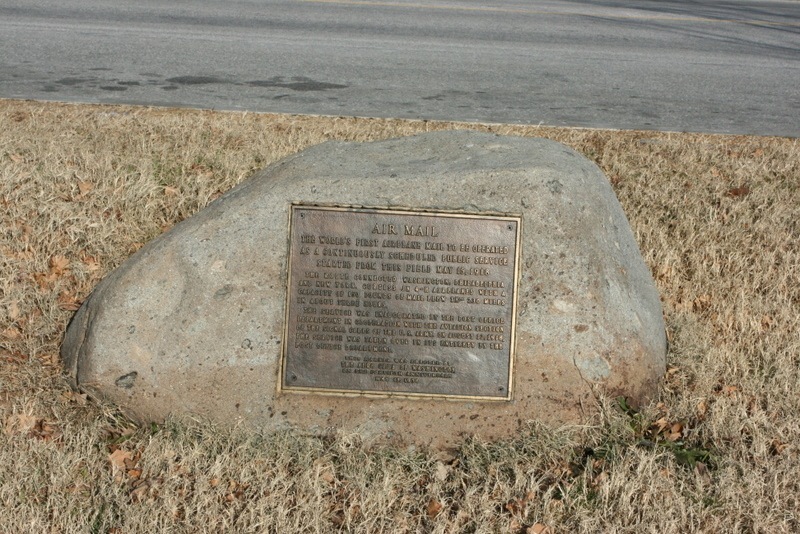
Commemorating the first air mail flight connecting Washington, Philadelphia, and New York, the Aero Club of Washington placed this plaque in 1958 to mark the 40th anniversary of that flight. Following 52 experimental flights by the Post Office Department in 1911 and 1912, the first extended test of airmail service occurred in May 1918, when the US Army and the Post Office Department together set up an experimental line between New York and Washington, DC using army pilots. -
Franklin Delano Roosevelt Memorial
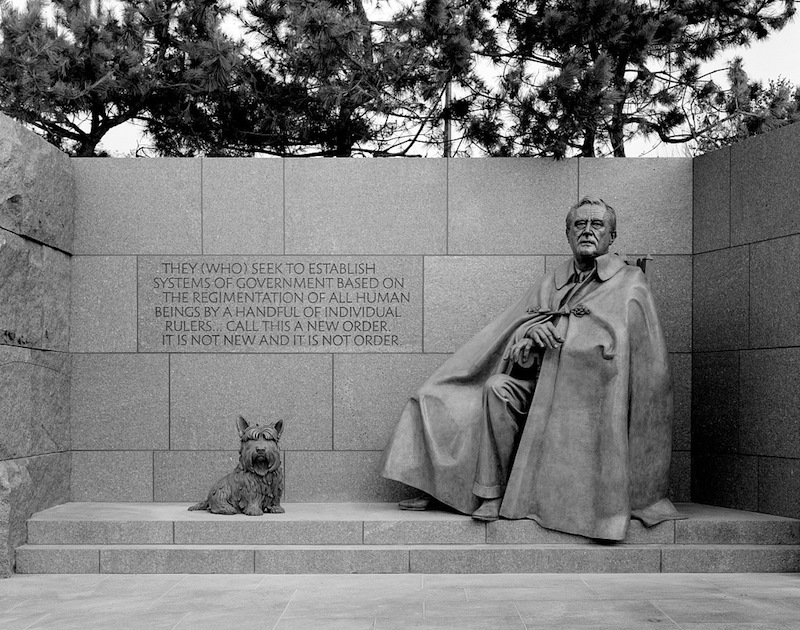
This is the second memorial to Roosevelt in the city; the first is near the National Archives and matches Roosevelt's own statement about what a memorial to him should look like: a block of stone about the size of a desk. However, in the 1970s, Congress approved a larger memorial, which was constructed in the 1990s once funding was secured. The FDR memorial generated controversy over depictions of Roosevelt in a wheelchair. Some activists argued that the wheelchair should be more prominent, while others pointed out the fact that Roosevelt's disability was largely hidden during his own lifetime. -
Bartholdi Fountain
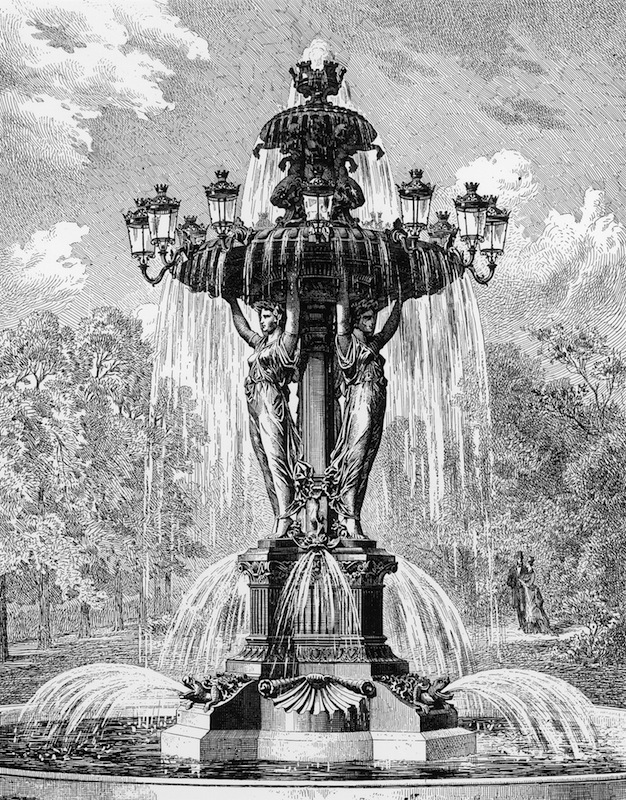
Originally created for the 1876 Philadelphia Exposition, sculptor Frederic Bartholdi had hoped to sell the fountain after the exposition concluded. The only offer to purchase it was made by Congress, who bought the work for $6,000. The sculpture was moved from Philadelphia to Washington and placed at the site of the original botanical garden, which stood where the Capitol Reflecting Pool is today. In 1927 the sculpture was moved to its present home in the newly-established Bartholdi Park. -
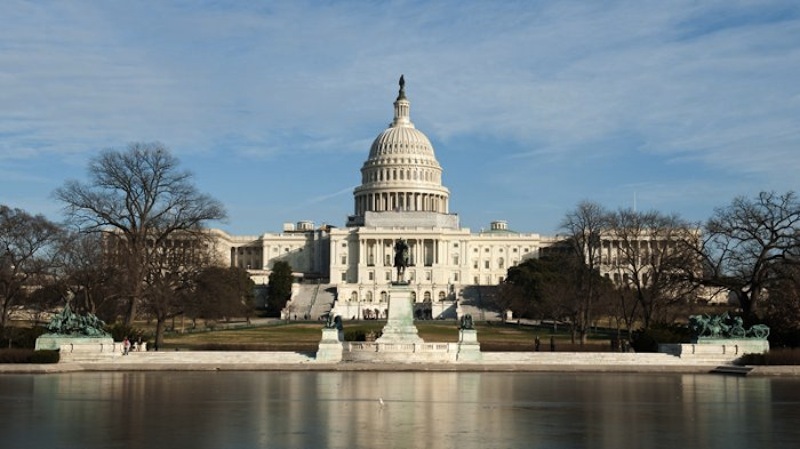
Capitol Reflecting Pool
Pierre L'Enfant's 1791 plan for the city of Washington first suggested a reflecting pool for the Capitol, but was never built. The 1902 McMillian Commission design for the National Mall revived the idea, yet it still took until 1971 for the Reflecting Pool to be completed. -
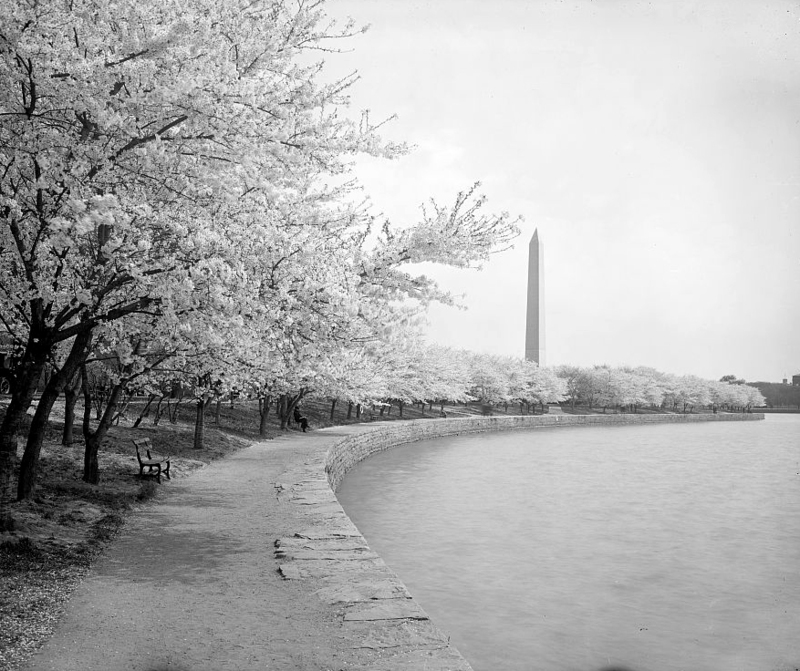
Original Cherry Trees
In 1912, the United States received a shipment of 3,020 cherry trees as a gift from the government of Japan. These were a replacement for a gift of trees in 1909 which had to be destroyed because they were infected with root disease. The trees were a token of friendship between the two nations. The first two trees were planted ceremonially by First Lady Taft and Viscountess Chinda, wife of the Japanese Ambassador. In 1935, the city held its first Cherry Blossom Festival. Several trees were vandalized in 1941 in retaliation for the Japanese bombing of Pearl Harbor. -
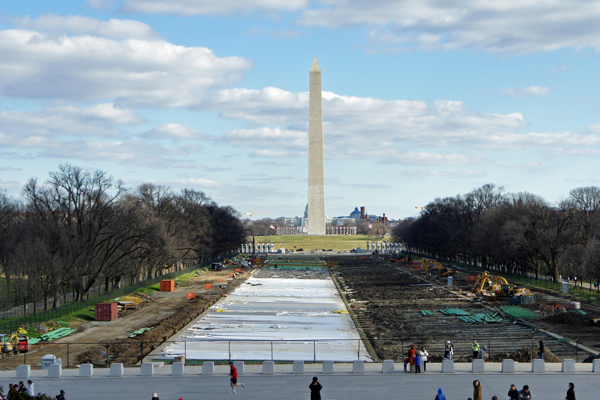
Lincoln Memorial Reflecting Pool
Stretching approximately a third of a mile from end to end, the reflecting pool lies between the Washington Monument and the Lincoln Memorial. Built in 1920 on marshland, the pool gradually sank, leaking into the surrounding land. In 2012, the pool was reconstructed. It now holds nearly seven million gallons of water and utilizes a sustainable circulation system pulling water from the nearby Tidal Basin. -
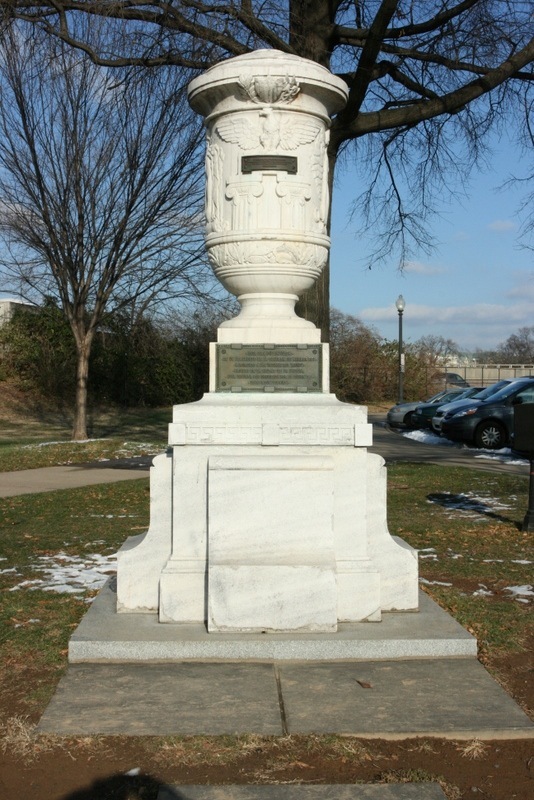
Cuban Friendship Urn
The Cuban Friendship Urn originally stood in Cuba to honor American deaths on the USS Maine and during the Spanish-American War. After the urn was damaged in a 1926 hurricane, it was sent to the United States and placed outside the Cuban Embassy. Some time in the 1960s, it disappeared following the deterioration of Cuban-American relations. In 1992, the National Park Service located the urn and placed it in its present position in East Potomac Park. -
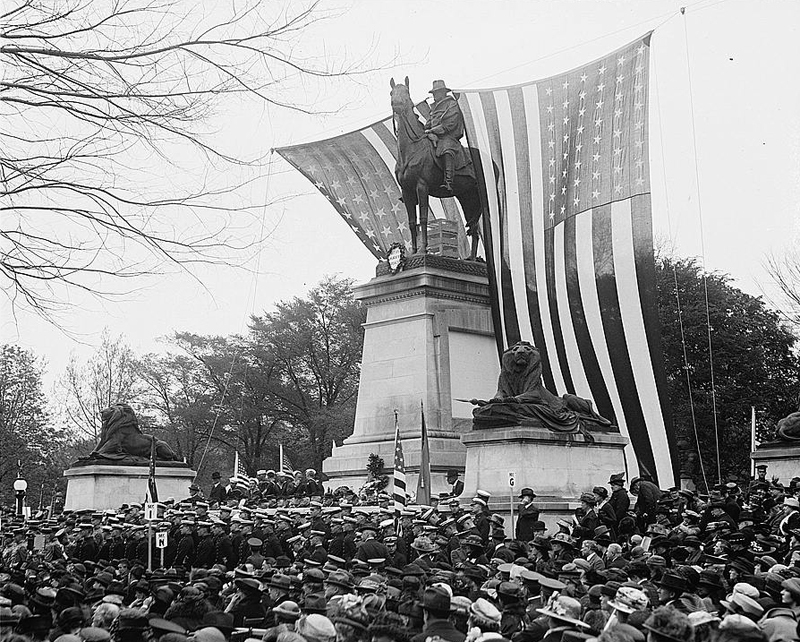
Ulysses S. Grant Memorial
The result of decades of planning and effort, the Ulysses S. Grant Memorial honors the Civil War general and US President. The massive memorial features three sections: a large statue of Grant on his horse, a separate sculpture entitled Artillery on Grant's left, and a third entitled Cavalry Charge on Grant's right. By design, the statue of Grant faces exactly west, toward the Lincoln Memorial, so that these two memorials flank the National Mall. -
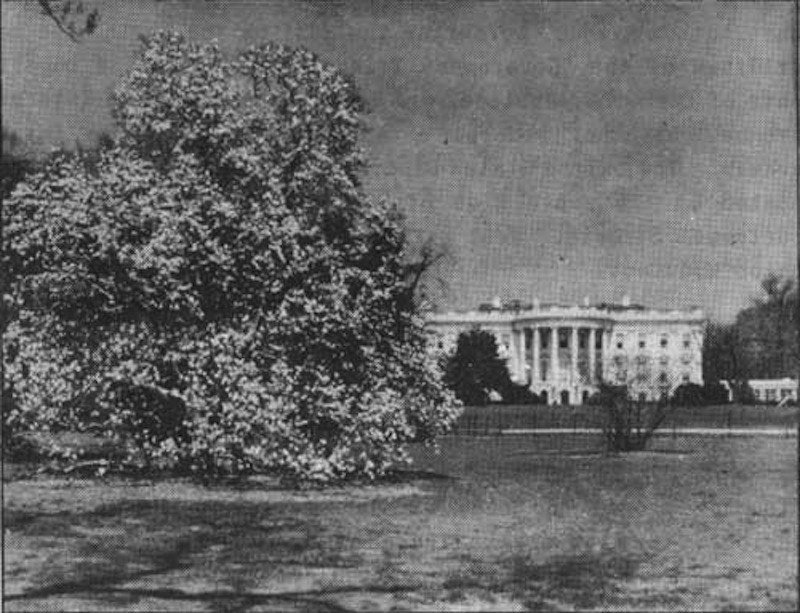
President's Park
President's Park is made up of the White House, the Ellipse, and Lafayette Square, and has existed for more than 200 years. Originally, President's Park was only the grounds immediately surrounding the White House, but over time it grew to include Lafayette Square and the Ellipse. The Ellipse has been the site of the National Christmas Tree since 1923. -
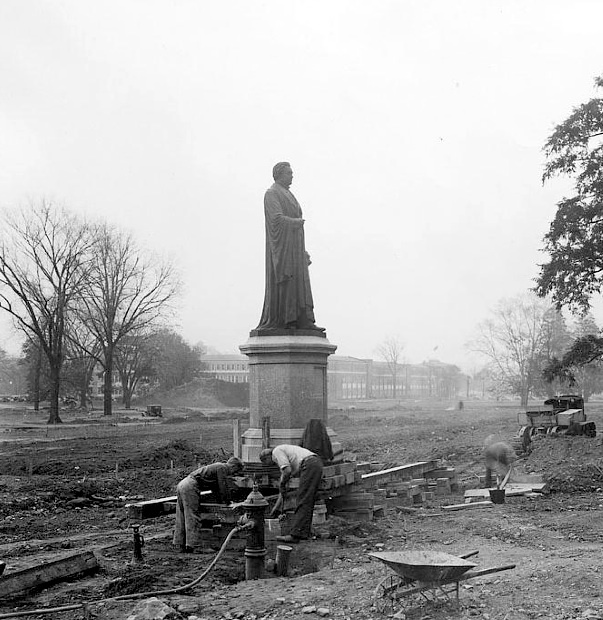
Joseph Henry Statue
One of America's premier scientists, and the first secretary of the Smithsonian Institution, Joseph Henry (1797-1878), is memorialized in this statue just outside the Smithsonian Castle. John Phillips Sousa wrote an original musical piece, Transit of Venus March, for the statue's dedication in 1883. In 1934 the statue was moved to its current location, but it faced toward the Smithsonian Castle. The statue was turned around in 1965 to look towards the Mall to symbolize that the museum was not a closed, elite site, but a place that welcomed people to share the nation's heritage. -
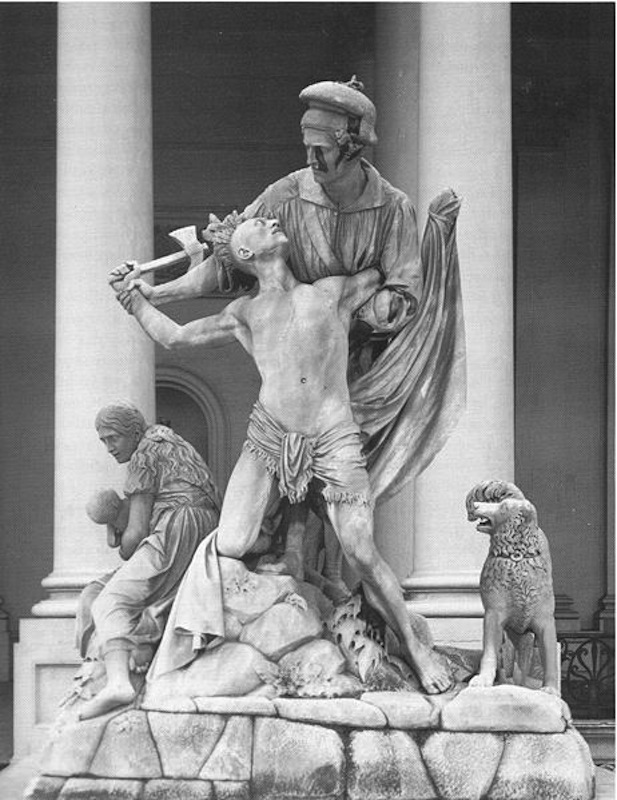
The Rescue
A large sculpture depicting a frontier father defending his family from an attacking American Indian, "The Rescue" has been a source of controversy since its installation in 1850. Sculptor Horatio Greenough stated that he was trying to show the dangers of "peopling our continent," but objections have ranged from the criticism of the attitude of the dog to various objections to its portrayal of American Indians. The US House of Representatives voted on, but did not pass, a provision to destroy the sculpture in 1939. After advocacy by American Indians and members of Congress, the statue was removed in 1958. -
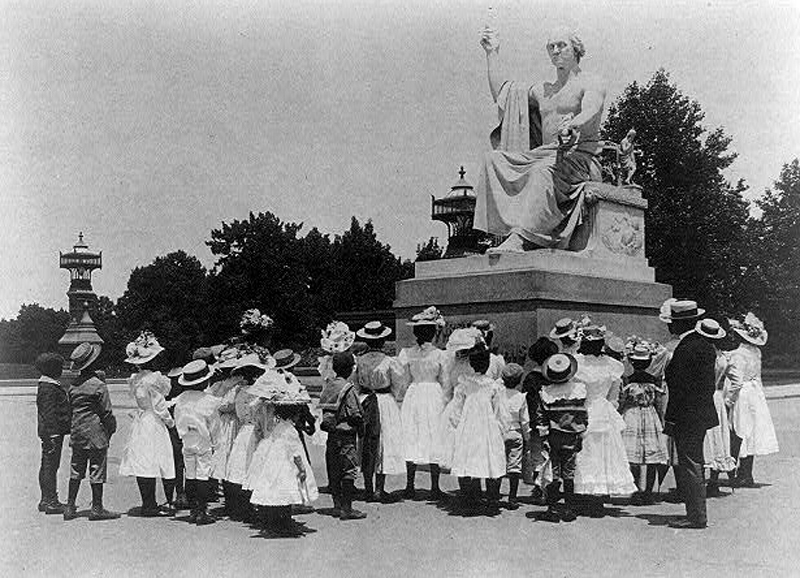
Enthroned Washington
Horatio Greenough's "Enthroned Washington" is one of the more controversial sculptures located on the Mall. Congress commissioned the statue in honor of Washington's 100th Birthday and was installed in the Capitol Rotunda in 1841. Many legislators objected to Washington's semi-nude state, believing it was not appropriate for an American president. Congress voted to move it outside of the Capitol to the east lawn in 1842. This photograph shows that even if it was controversial, it was still visited by residents and tourists. In 1908, the statue left the Capitol grounds to became part of the Smithsonian's collection and was moved to the "Castle." It remained there until 1962 when it crossed the Mall to the National Museum of American History, where it remains today. -
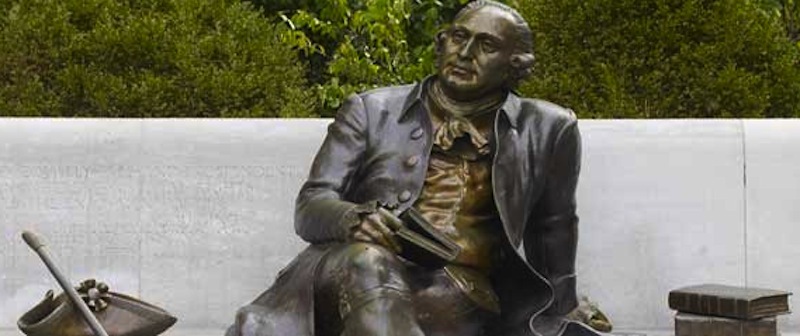
George Mason Memorial
George Mason (1725-1792), author of Virginia's Declaration of Rights, was a delegate to the Constitutional Convention. He refused to sign the Constitution because of the absence of a Bill of Rights and a disagreement over the issue of standing armies. The memorial was funded through an effort by the Board of Regents of Gunston Hall, Mason's home in Fairfax, Virginia, which now operates as a museum. The site of the memorial was home to a garden called the Pansy Garden in the 1920s. The memorial was approved in 1990, but groundbreaking did not take place until 2000. -
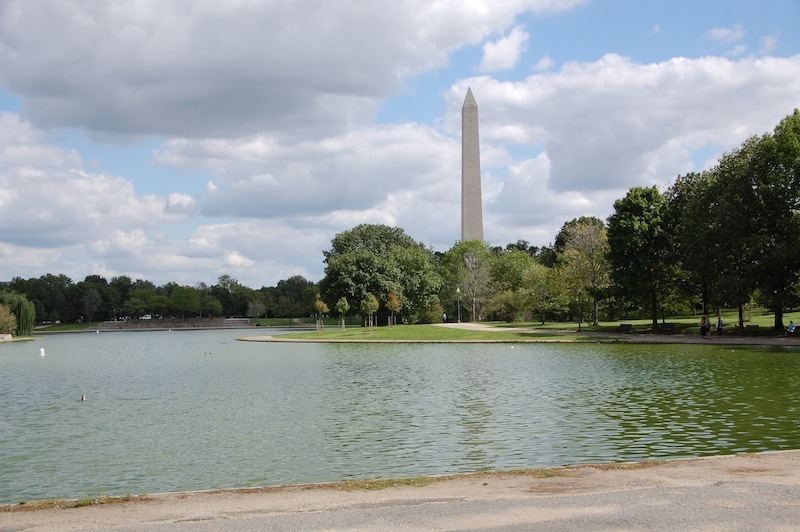
Constitution Gardens
The Constitution Gardens were dedicated in May 1976 as part of the United States Bicentennial and were declared a living legacy to the US Constitution by President Ronald Reagan in September 1986. During World War I, the US government built temporary offices on this site. Those buildings remained until the early 1970s when President Nixon ordered their removal and replacement by a park. On a small island in the middle of the lake lies a memorial to the 56 signers of the Declaration of Independence, dedicated in 1984. -
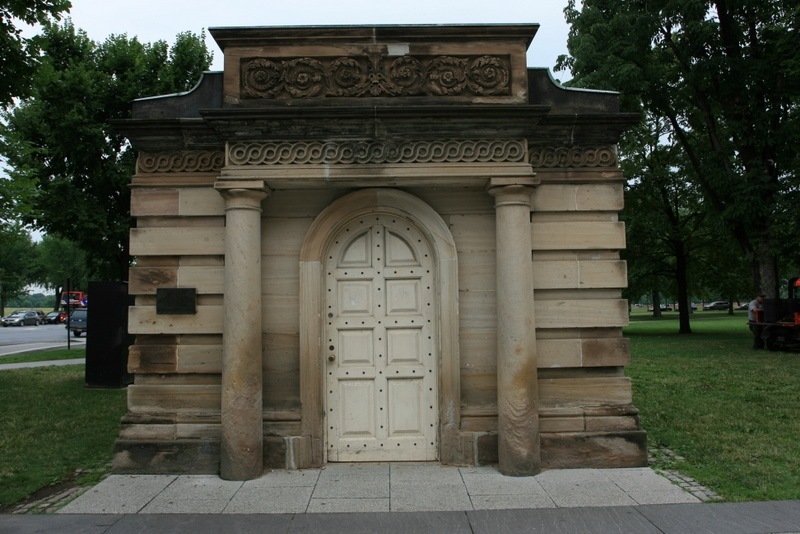
Bulfinch Gatehouses
Architect of the Capitol, Charles Bulfinch, designed the gatehouses and matching gateposts in the 1820s. They originally flanked a grand pedestrian entrance on the west side of the Capitol. They were removed in 1874 and placed in their present locations in 1880. Currently, one gatehouse and three gateposts are in place at the corner of 15th and Constitution Avenue; the other gatehouse is at the corner of 17th and Constitution, and the remaining gateposts are located at the entrance to the National Arboretum in north-eastern Washington. -
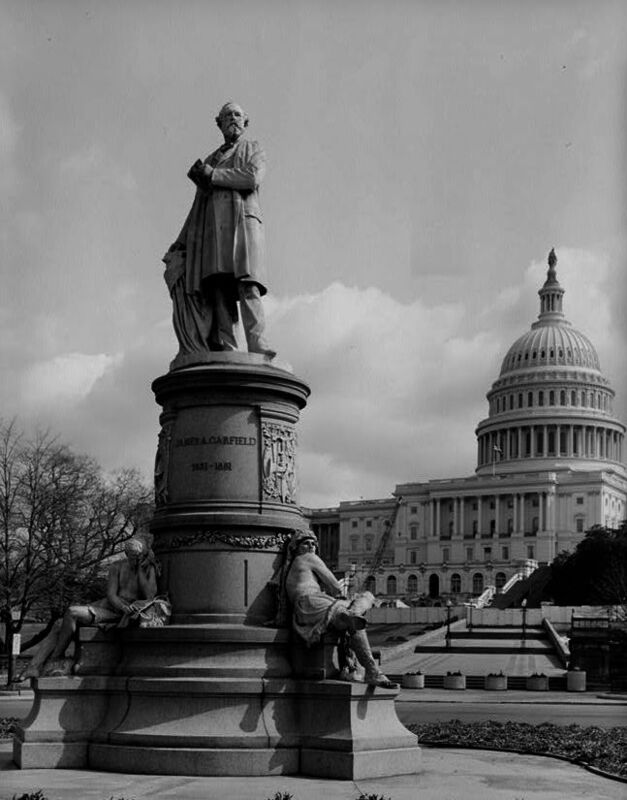
James Garfield Monument
This monument to President James Garfield (1831-1881) depicts him giving a speech, gazing outward with papers in one hand. Garfield was elected in 1880, but he served only four months of his term before his assassination in a railroad station on the Mall in 1881. The Society of the Army of the Cumberland, of which Garfield had been a member, commissioned the statue in 1884. It was dedicated in May 1887. -
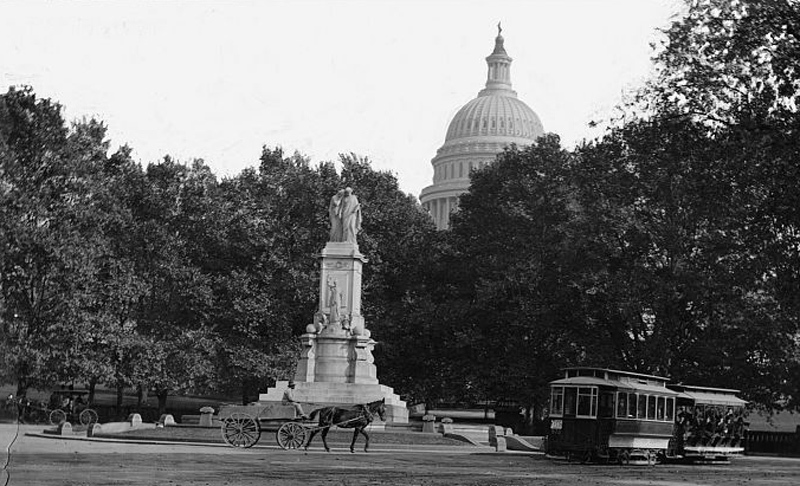
Peace Monument
The Peace Monument, also known as the Naval Monument and the Civil War Sailors Monument, honors naval deaths at sea during the American Civil War. Admiral David Dixon Porter conceived the idea of the monument and sketched an initial design in the mid-1860s, originally intending for it to be placed in Annapolis, Maryland at the US Naval Academy. Porter commissioned Franklin Simmons to create the monument and worked with him on the final design. The monument was not formally dedicated after its completion in 1878. -
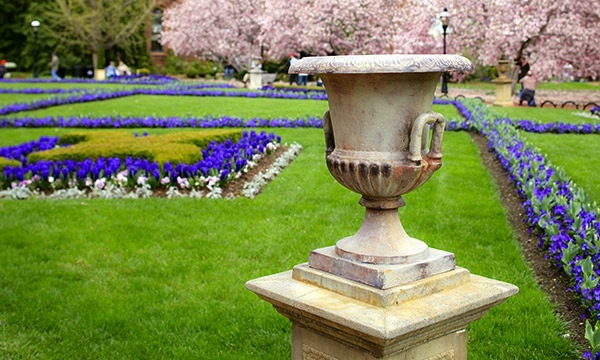
Andrew Jackson Downing Urn
This urn memorializing horticulturist Andrew Jackson Downing (1815-1852) was installed on the Mall in 1856 near the present location of the National Museum of American History. The urn was moved several times before it arrived in the Enid A. Haupt Garden in the Smithsonian in 1999. Downing's friend and architectural partner Calvert Vaux designed the urn and inscribed it with a quote by Downing which contains the line, "Plant spacious parks in your cities, and loose their gates as wide as the morning, to the whole people." -
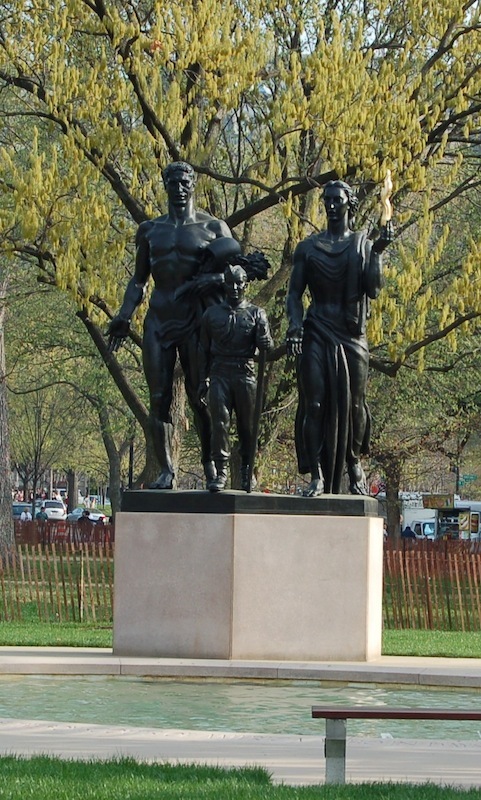
Boy Scout Memorial
The Boy Scout Memorial is a bronze and granite sculpture honoring the Boy Scouts of America. It is located on the White House Ellipse on the site of the 1937 Boy Scout Jamboree. Built without any public funds, Boy Scouts raised all the money for the memorial themselves by collecting dimes. Then Senate Majority Leader Lyndon Johnson authored legislation permitting the memorial on the Mall. The sculpture includes a Boy Scout flanked by idealized figures of adults. Scrolls at the base of the memorial list the names of each Boy Scout who participated in the dime-collecting effort. -
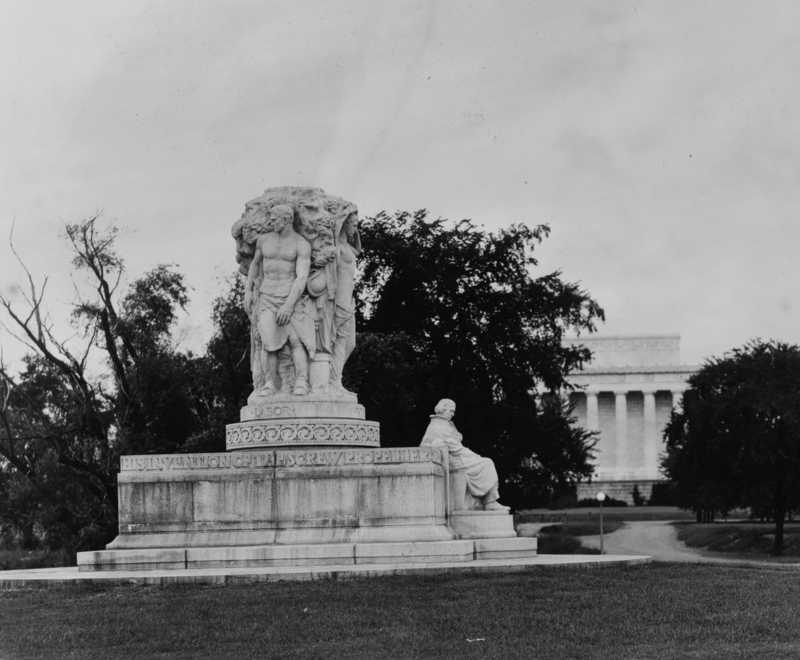
John Ericsson National Memorial
John Ericsson (1803-1889), a Swedish-born engineer, made inventions and improvements critical to the Union's naval success in the United States Civil War. In particular, his design of the USS Monitor, the first Union ironclad ship, represented an important advance in naval armor and became a critical factor in the Civil War. Approved by Congress in 1916 and supported by funding from Americans of Scandinavian descent, the memorial was dedicated in the spring of 1926 by President Calvin Coolidge and Crown Prince Gustaf Adolf of Sweden. The sculpture includes a likeness of Ericsson and symbolic representations of adventure, labor, and vision. -
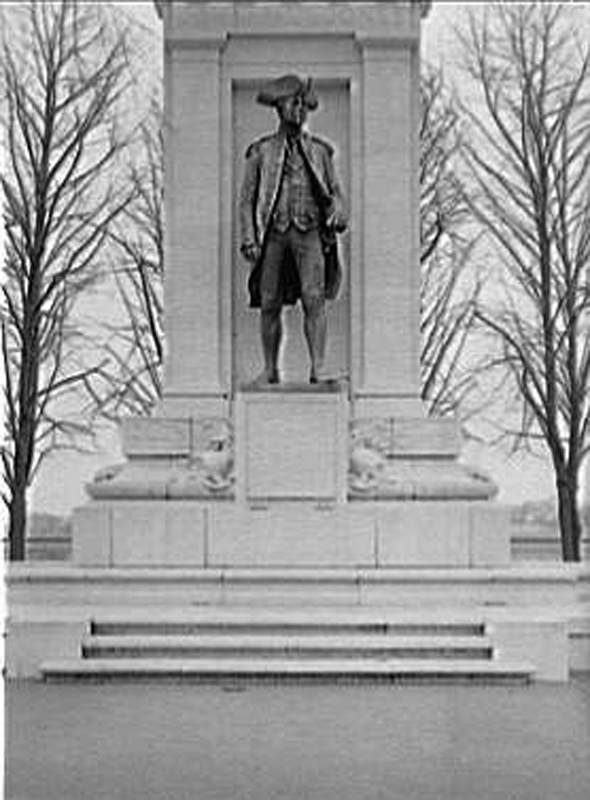
John Paul Jones Memorial
Honoring Revolutionary War hero John Paul Jones (1747-1742), this memorial lies just off the Mall in West Potomac Park. As Captain of the ship Bonhomme Richard during the Battle of Flamborough Head during the Revolutionary War, Jones famously uttered the phrase, "I have not yet begun to fight!" Dedicated in 1912 by President William Howard Taft, the memorial contains a bronze statue of Jones, as well as a carving of Jones raising an American flag of the Bonhomme Richard. -
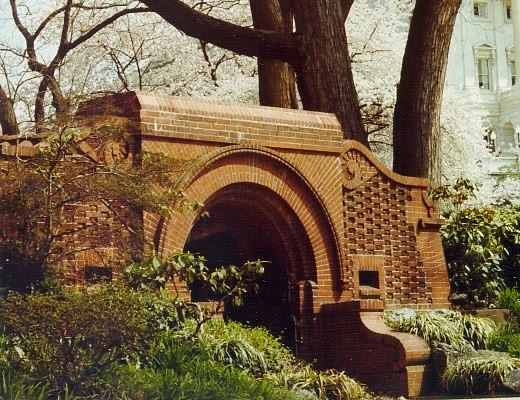
Summerhouse
Frederick Law Olmsted designed the Summerhouse so that visitors to the Capitol could sit and rest as they toured the Capitol grounds. It contains intricate brickwork, several windows, wrought iron gates, and seating space for up to 22 people. The Summerhouse is hexagonal in shape. A fountain in the center once offered drinking water, but now is simply decorative. Olmsted originally intended to build a second summerhouse, but Congress objected. -
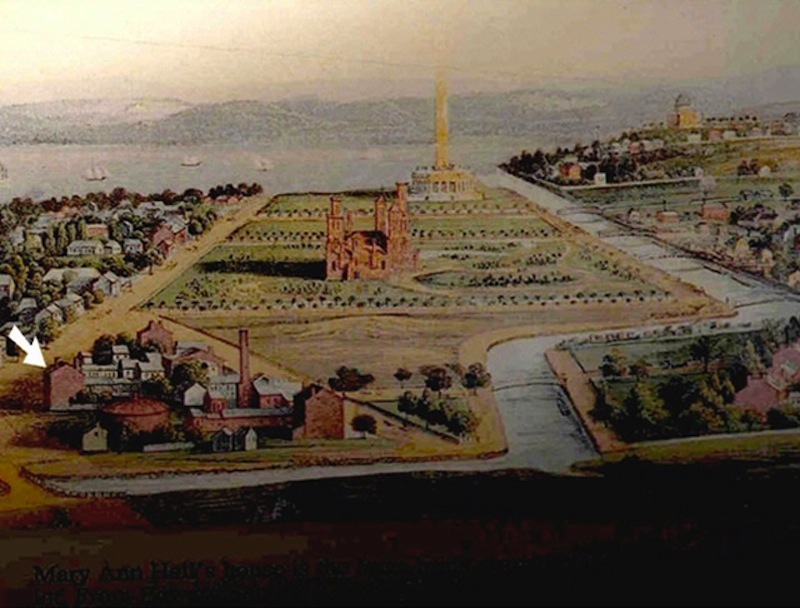
Mary Ann Hall's Brothel
Mary Ann Hall’s brothel was the largest and most luxurious of more than 100 known bordellos in Washington during the 1800s. Hall’s three-story establishment stood where the National Museum of the American Indian (NMAI) is today. According to Union Army records, she employed 18 women. Archaeological excavations indicate that Hall imported French wine and champagne for her clients. She ran her establishment until 1883, dying in 1886 with a net worth of $87,000. Although Washington police frequently harassed and arrested prostitutes, the profession remained legal in DC until 1914. -
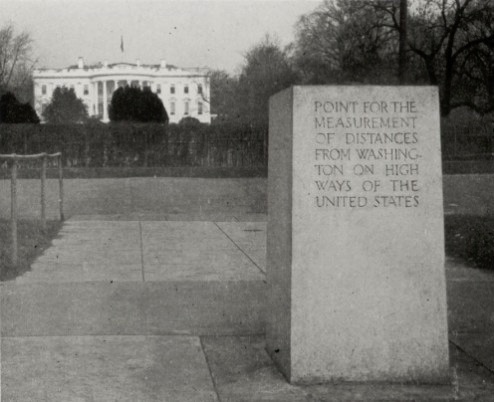
Zero Milestone
The current zero milestone dates from the spring of 1923, replacing a temporary marker placed on this site in President's Park in 1919. Originally intended as a central point from which to measure highway distances throughout the United States, the zero milestone marked the beginning of the age of the automobile and the national system of paved roadways. Today, roads and other distances in Washington, DC, as well as in surrounding suburbs, are measured from the zero milestone. -
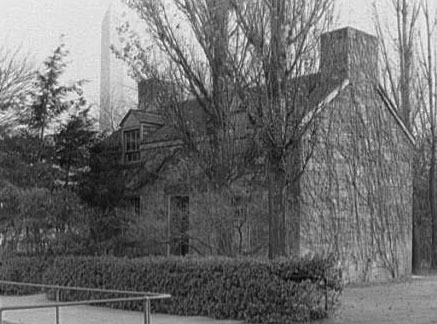
Lockkeeper's House
Built between 1832 and 1833, the Lockkeeper's House was the home of the toll keeper who collected tolls from those traveling along the Chesapeake & Ohio Canal Extension. Some accounts report that a resident lockkeeper and his family of 13 children shared the small quarters. The Extension, connecting the C&O Canal to the Washington City Canal, was filled in during the 1870s, as rail shipping replaced canal shipping. The National Park Service acquired the house in the early 1900s, after squatters lived in it for decades, to use for offices and storage. In December 2016, the Park Service began a renovation project that will move the structure away from a busy intersection, and expand the building to serve as a visitor’s center and exhibition space. -
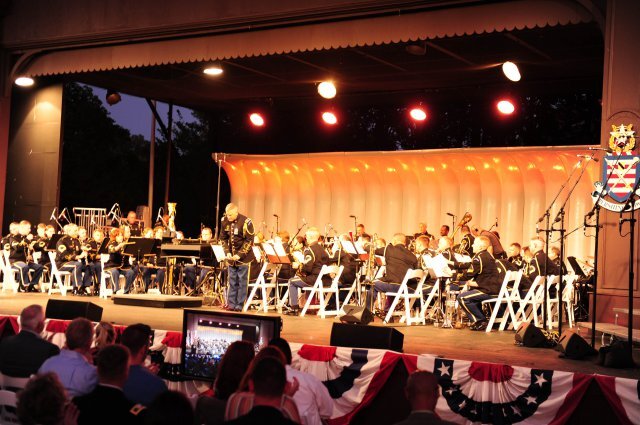
The National Sylvan Theater
The National Sylvan Theater, located on the grounds of the Washington Monument, was the first federally funded theater in the United States. The modest stage hosts 10,000 spectators who come to the Mall to enjoy more than 100 events hosted here each year. These cultural gatherings include plays, classical music, and ceremonies. One of the most popular events occurs each August, when the Presidential Salute Battery of the 3rd US Infantry performs Tchaikovsky's "1812 Overture." -
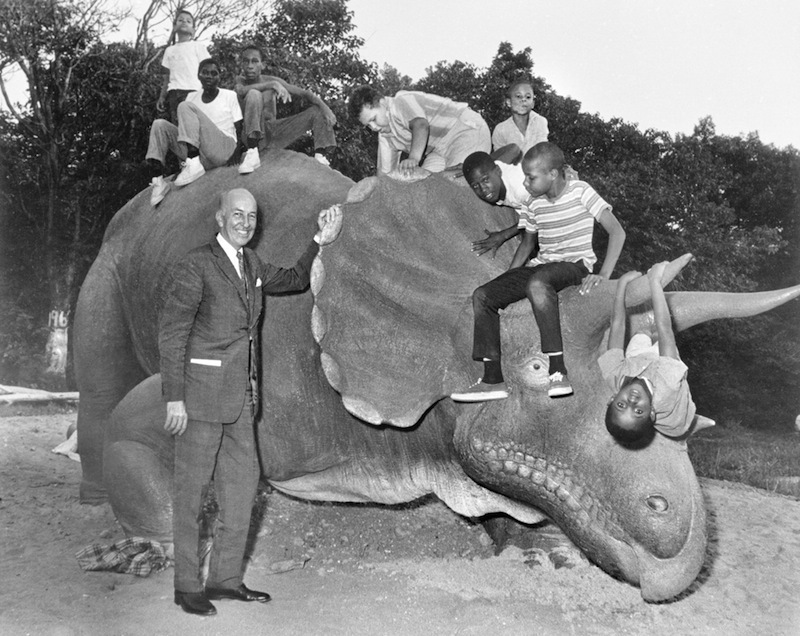
Uncle Beazley
Generations of children climbed on Uncle Beazley, a fiberglass triceratops, who lived on the National Mall in front of the Museum of Natural History. For a slow-moving dinosaur, Uncle Beazley is widely traveled. Before coming to the Mall in the 1970s, his home was the Smithsonian's Anacostia Neighborhood Museum. In 1994, Uncle Beazley moved from the Mall to his current residence, the National Zoo. Beazley was constructed in 1967 for "The Enormous Egg" TV special that aired the next year. The Sinclair Company subsequently donated Beazley to the Smithsonian.